There used to be a TV show called “The Wonder Years” about a boy growing up in the 70s. He would have been exactly my age – this was my childhood he was talking about – and I liked it. I was reading an interview with Alley Mills who played his mother, Norma, and she was asked what it was like playing the role. She said that she really didn’t play the boy’s mother, but the memory of his mother, and I thought this was interesting. I think she meant that the entire show had been all about the way the boy remembered his childhood – not especially inaccurately, but that the emphasis had not been on reality but his perception of it. There are different ways to tell about personal things that happened in the past. Sometimes they are told as a sort of detached expose and sometimes through a single person’s eyes with a very singular POV. I felt as I watched Baarìathat I was using someone else’s eyes.
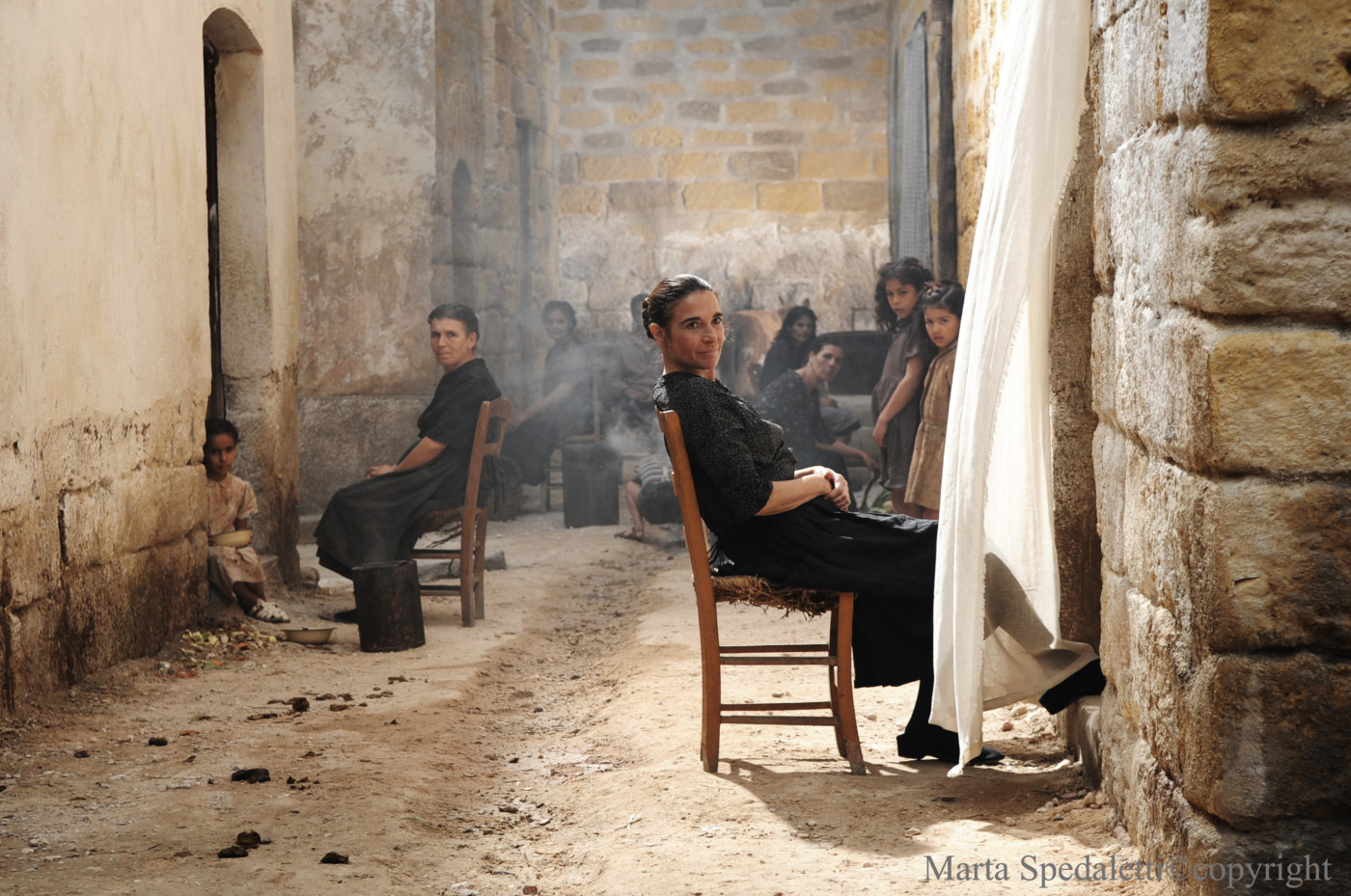
And of course I was. Baaria is the autobiographic story of three generations in the Sicilian village, Bagheria where Giuseppe Tornatore, the director and writer, was born and Baarìa is Sicilian slang for it. Like his earlier CInema Paradiso it’s very sentimental (maybe more so). It has a huge cast and a zillion plots and subplots and while I liked it, I think Tornatore bit off more than he could chew.
Maybe it’s just my personal preference, but I’d rather see smaller parts of a story told better than a huge story glossed over. I hate to have to reach back into older Italian cinema for an example, but Ladri di biciclette, The Bicycle Thief, made by Viittorio de Sica in 1948 was more satisfying. In that movie De Sica took a very small thing and painted an excruciatingly vivid picture for us. In fact, I’ve said I will never watch it again because it is just too gut wrenchingly emotional. But it’s beautiful and it is complete. At the risk of trying to rewrite Tornatore’s movie, I’m just trying to say that while his story was very pretty and in some parts genius, it was too thin. I felt like I was reading the cliff notes of his town’s fictionalized story. I saw the characters as characterchures and not real people – maybe that’s what he intended.
There were parts I loved – like when the family burned a small amount of food over a flame to make the neighbors think they were cooking and hide the fact that they had no food and were starving. I loved the scene in which on a hot night the whole family stripped down to their underwear and slept on the tile floor (my Italian-American mother-in-law told me about her family doing that) and I thought the early courtship of Peppino and Mannina was very sweet, especially the dancing part. And I won’t give it away, but I really loved the very beginning and the very end – the running boy. That was one of the genius parts.
I think if Tornatore had taken more time and this had been a six hour mini series like La Meglio Gioventù it would have been better – but I also think he needs to take that lens off his camera that casts them in that “oh so precious “light once in awhile. I would have like to see Baarìa and not just his family’s sentimental memory of it.
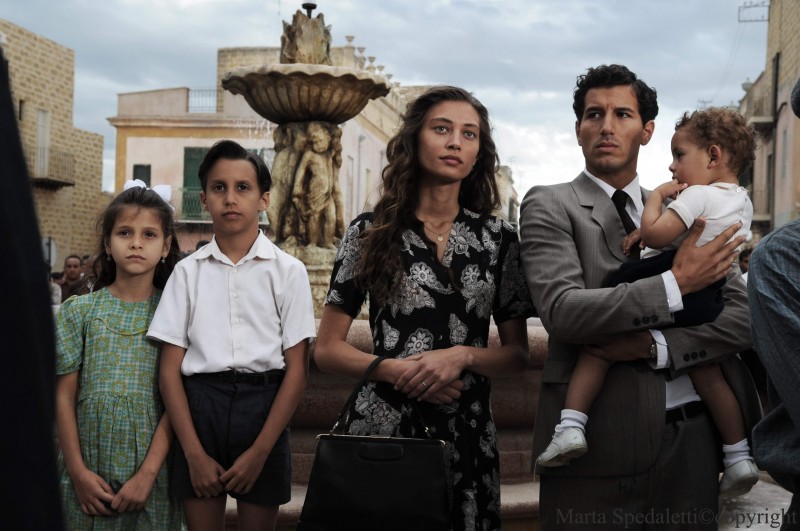


 it’s very sentimental (maybe more so). It has a huge cast and a zillion plots and subplots and while I liked it, I think Tornatore bit off more than he could chew.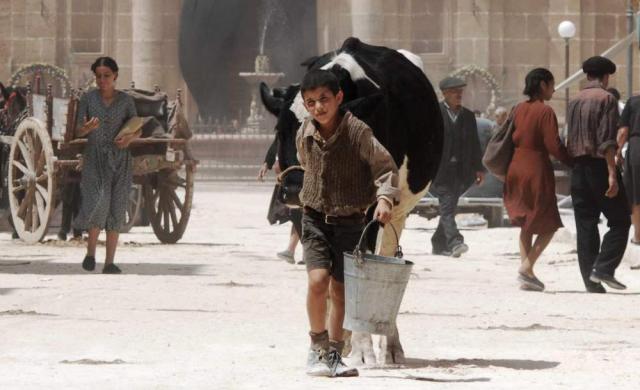
 I Love Italian Everything