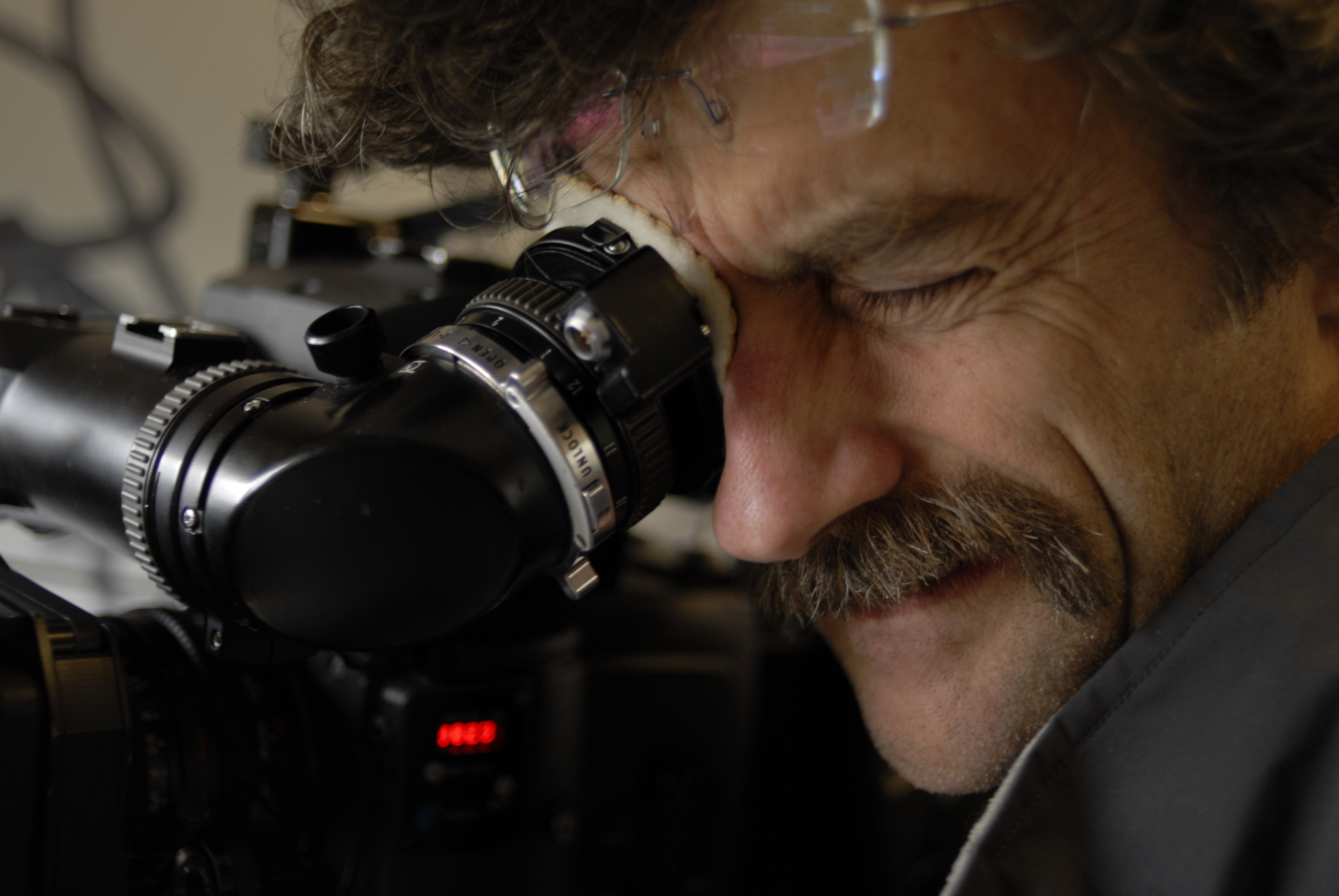
 Silvio Soldini is not just one of my favorite directors, he’s also one whose work is easy to find in the US. He’s at once artistic and accessible, making movies that are both critical and box office successes, and he’s won and been nominated for dozens of awards.
I’ve written about four of his movies, all ones that you can rent or buy in our DVD format (region 1) with English subtitles; Cosavogliodipiù (Come Undone 2010), Giorni e Nuvole (Days and Clouds 2007), Agata e la Tempesta (Agata and the Storm 2004), Pane e Tulipani (Bread & Tulips 2000). Click on the links for my reviews.
If you’re new to Italian movies, Soldini is a good place to start. Why not rent my favorite movie of all time, Pane e Tulipani – Bread and Tulips?
Here’s a wonderful interview I found and translated with Silvio Soldini in which he talks about making Bread and Tulips. After reading it, I like him even more. I love what he says about the end of the film.
Where did you get the idea for the film and how did it develop?
There was a desire to tell about a female character that didn’t have any existential dramas or frustrations. A simple character, whose choices weren’t driven from a need to avoid things. A housewife that’s happy in her role, that would have probably continued going on if it haven’t been swept away by things that happened to her. And there’s a part inside all of us that we didn’t even know about that wants to make that trip with her and to be forgotten with her at the Autogrill.
The idea to tell the story of “rough lives” that get lighter through events won you over?
Yes, and I find unbearable the characters structured like little caricatures. I like to tell about characters that are penalized by their appearance, that don’t show what they are really. Behind the southern Italian husband that brings the family to Pompei with an organized tour, behind the gruff waiter, behind the dreamer housewife there is a truth.
Why do you always tell stories about women?
Simply because women don’t do it, and there’s hardly anyone to tell the truth. I’m not doing anything but taking possession of free territory. I love to construct female characters because they fascinate me and because through their courage I can better tell some of the aspects of life. In reality in this film there are also strong male characters.
How did you manage to tie the the different stories together that go through the film?
I never really tried to do it myself. The key was to tell the truth about the characters in minimal details. In the end through their different energies, it directs you and it transforms you, and not the other way around. To join these different objectives the climate that you create around the work is also important; we rented a house that we divided into 40, living, cooking, and eating together. An energy was born from living together that is reflected in the work that we did on the set.
How did you come to meet Bruno Ganz?
We met a year and a half ago when Bruno was on a promotional tour for Angelopolus’s film. When someone asked him which Italian director he’d like to work with he said my name, speaking about the film “Le Acrobate”. I had just finished writing the screenplay and the character of Fernando seemed perfect for him. I went to see him in Zürich and to give him a script to read and he loved the idea of the Icelandic waiter with the bad Italian accent.
These days there’s a return to Italian film with happy endings, like in your film. How do you explain “the times are changing”?
Sincerely 10 years ago I never would have made an end like that. I realized in the last few years the importance in what we leave for the audience at the end of a film. As a viewer I don’t like to leave a theater with less of a will to live than when I went in.
 I Love Italian Everything