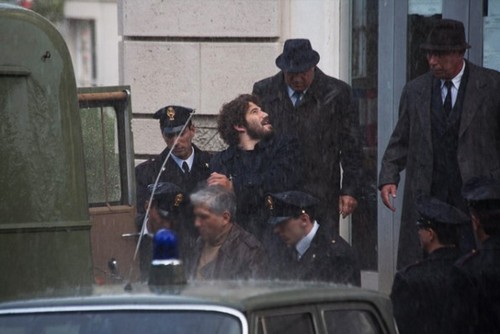
Coming to Italian theaters in February – Luigi LoCascio, my favorite, in a new movie from director Marco Tulio Giordana (La Meglio Gioventù, the best of youth). Called Romanzo di una Strage (story of a massacre), it’s the true story of a terrorist attack on December 12, 1969 when a bomb exploded at the headquarters of Banca Nazionale dell’Agricoltura in Milan at Piazza Fontana (200 yards from the Duomo) Italy, killing 17 people and wounding 88. The same afternoon, three more bombs went off in Rome and Milan, and another was found undetonated.
Luigi’s not the only reason to eagerly anticipate this one; its got Pierfrancesco Favino (She’s Come Undone) Valerio Mastrandrea (he’s been a busy guy – he’s in Soldini’s new one too) and Laura Chiatti, a beautiful actress that, to my knowledge hasn’t done anything particularly serious or dramatic, so maybe this is a breakthrough role for her.
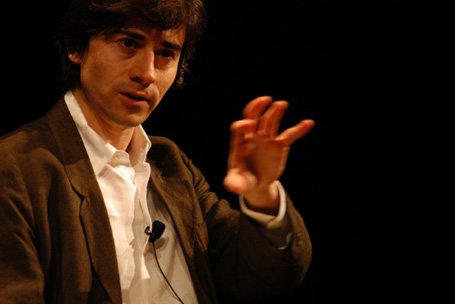
The unrest in Italy during the 60s, 70s and 80s is a common and powerful movie theme in Italian movies but I’m not sure that Americans are fully aware of the horror of those years and the fear that reigned the country. To learn about them you can watch films we’ve already talked about here, like Buongiorno Notte, about the kidnapping and subsequent murder of Aldo Moro, Io Non Ho Paura, about the child kidnappings by terrorist groups, or of course La Meglio Gioventù, which follows two brothers through those years in Italy. Il Divo‘s great too. Starring Toni Servillo as seven time prime minister Giulio Andreotti who may or may not have been linked to the mafia and to terrorist groups.
Said Giordana of his new film: “We will confront difficult themes like the death of Giuseppe Pinelli and of the commissioner Luigi Calabresi. The enormous work by police and journalists that in the last forty years has cleared up many things that were uncertain before. We’ve been working with Rulli and Petraglia (screenwriters) for around five years and our intent is to tell the untellable, that is to say the kind of fundamental truth that is often covered up.”
 I Love Italian Everything