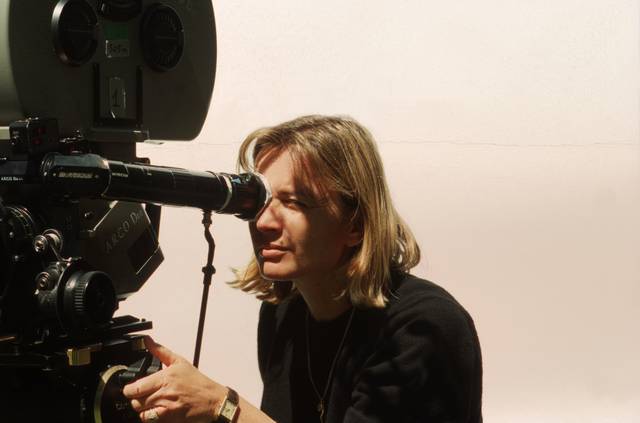
None of the 23 movies eligible for awards like the Palme D’Or at this year’s Cannes Film Festival were directed by women. And just two of the films chosen for the “Un Certain Regard” category, reserved for movies by young filmmakers, had female directors.
I wouldn’t presume to guess the reason that out of a confidential list of nearly 1,800 films submitted no films by women directors were selected for competition; sexism? An “old boy” network in filmmaking? Financing issues?
Or maybe none of the women’s films were good enough. I don’t see anyone suggesting that; am I the only one saying it out loud?
The boys outnumber the girls in the Italian director world, for sure, but this week I’m going to take a look at some of the women that have made headway in this new wave of Italian filmmaking.
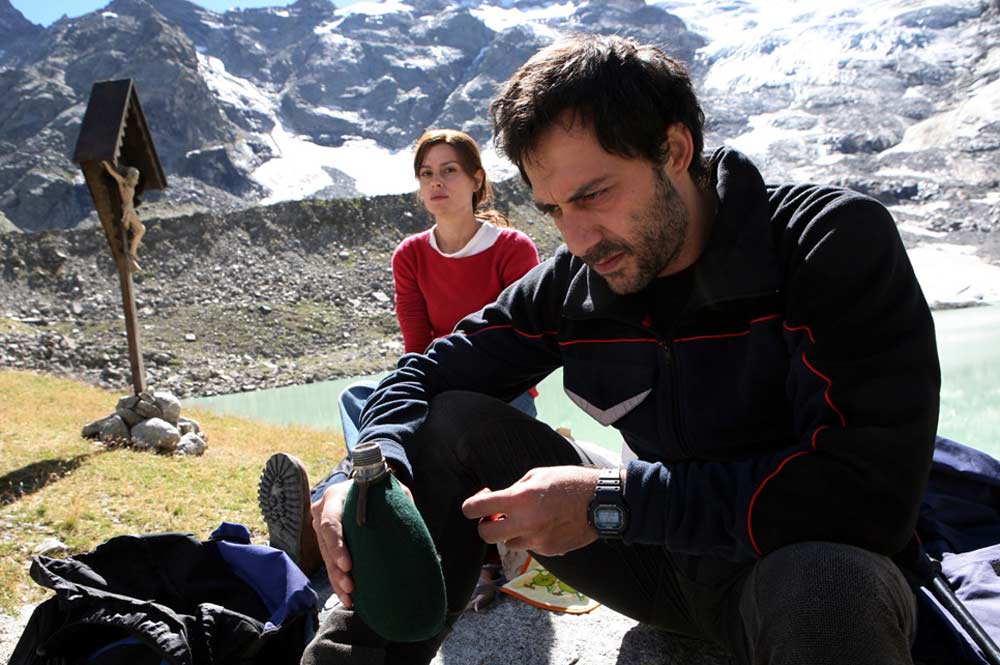
At the top of the list, without a doubt, is Cristina Comencini, who has seen her ups and downs making movies in Italy. Her La Bestia Nel Cuore (Don’t Tell) went to Hollywood, didn’t win, but was nominated for an Oscar in 2006, Her Quando La Notte ( When The Night), on the contrary, was booed and humiliated when in competition at the Venice Film Festival last year. Even with talented actors (including Filippo Timi) , a serious theme (postpartum depression) and a beautiful backdrop (Monte Rosa), it’s a superficial treatment of the topic and the love story is, unfortunately, laughable.
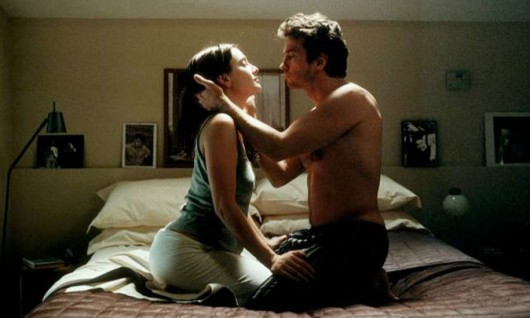
Born in 1956, Comencini’s been writing and directing movies since the ’80s and has won lots of awards, but she veers too closely to the melodramatic. As much as I loved La Bestia Nel Cuore, that’s how much I hated her Bianco e Nero (Black and White), an idiotic movie about a white man who decides to have an affair with a black woman. He’s a cheater, but we must forgive him because he shows racial tolerance in his debauchery? I don’t see it, Cristina.
I hope that Comencini can one day reproduce her success in La Bestia Nel Cuore, about incest, but not just the story of a victim of incest and not about the usual quest for justice or a campaign against sexual abuse. It’s about the consequences of it, the relationships that form in its shadow, and dynamics of a damaged family.
Quando La Notte was in competition at Venice last year; should it have been? Or was it there because of an obligation to include women?
No, and yes, unfortunately.
 I Love Italian Everything