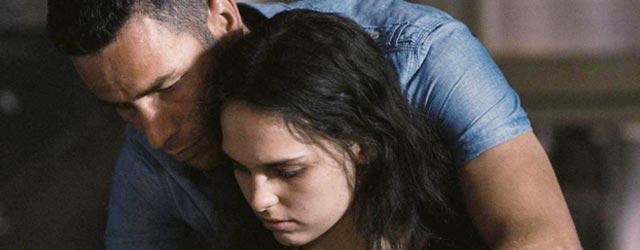
If you are a hit man for the mafia, when do you consider yourself a success; when do you know that you’ve “made it”?
There is, of course, the “killing others before they kill you” thing, which mafia hit man Salvo Mancuso seems to have nailed. I suppose that ultimately, this defines your success. But the byproducts, the respect and the fear that you can command should provide some satisfaction.
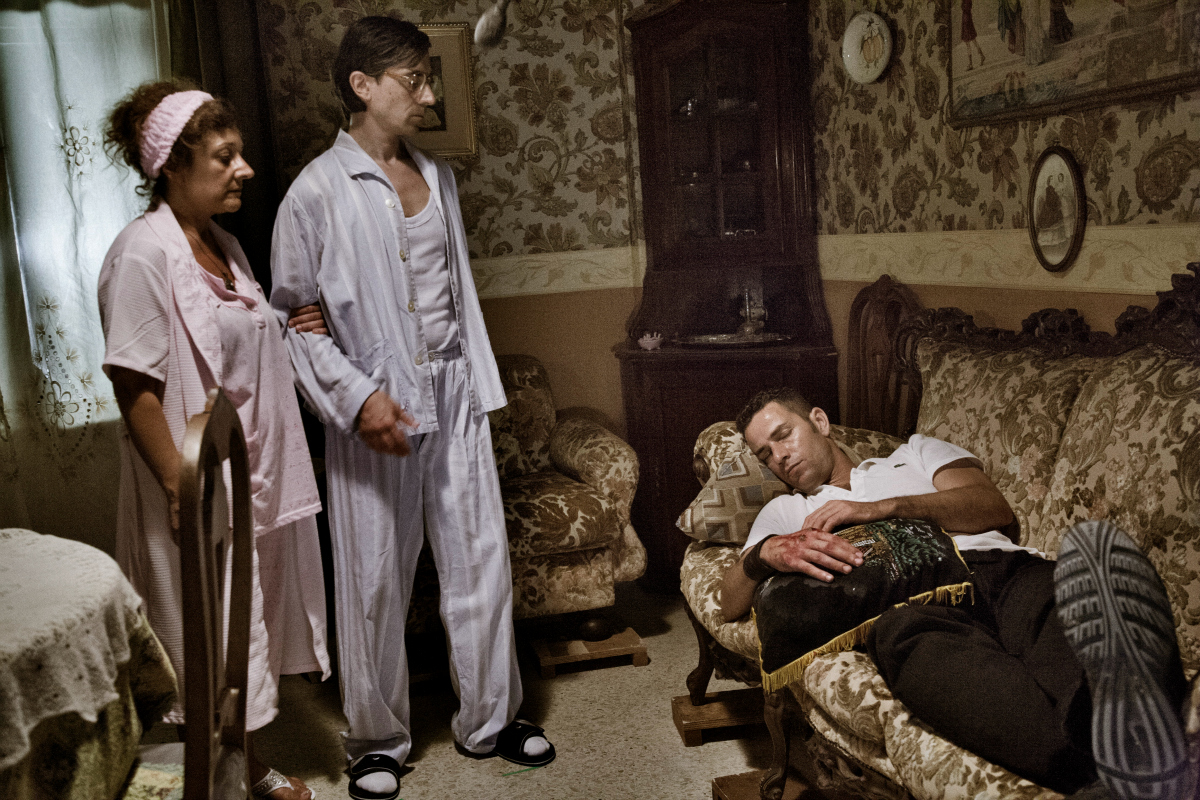
For Salvo, more lonely gunslinger than slick mafioso, any joy he’s ever gotten from the proficiency of his chosen profession seems to have been sucked out of him. That his landlords kowtow to him as if he is a king that might at any minute say, “Off with their heads!” is cold comfort in his emotionless routine, and the convenience of having subservients at his beck and call to keep the cops off his back is expected, not appreciated.
So when Salvo arrives for a hit and finds his target’s blind sister, Rita, home alone, we really don’t see any clues as to why he doesn’t immediately whack her. She’s pretty? She’s blind? Whatever the reason for the mercy he shows her, it doesn’t extend to her brother. He does the job that he’s arrived to do, and then kidnaps Rita.
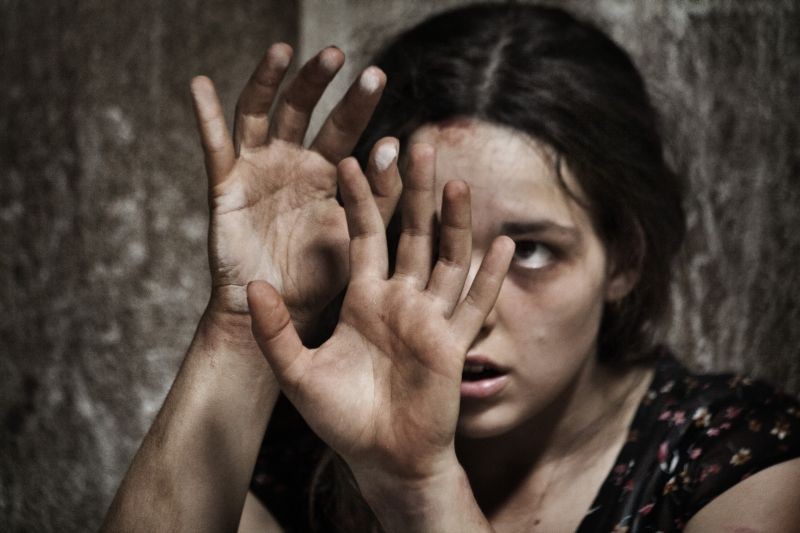
OK, he’s got her, now what should he do with her? He’s expected to kill her too, but he doesn’t, and his situation becoming increasingly complicated as her eyesight begins to miraculously improve.
Salvo is highly charged, emotionally and sensorially, and yet quiet in a way very unlike most gangster movies. With minimalist dialogue, the camera may follow what Salvo sees but we hear what Rita hears and the combination of the two immerses us in the story in a very unique way.
This is an impressive feature-length debut for directors Fabio Grassadonia and Antonio Piazza. It stars Saleh Bakri, son of Palestinian actor Mohammad Bakri, and Luigi Lo Cascio, terrific as the timid landlord. Salvo won the Critics Week Grand Prize at the Cannes Film Festival.
 I Love Italian Everything