I can’t say for sure, but I can only imagine what it would be like to organize an event featuring a bunch of Hollywood directors and celebrities, with all of the egos and strong personalities. I think I have some idea. I read People Magazine.
But Open Roads: New Italian Cinema at NYC’s Lincoln Center, with its meeting of Italian moviemaker minds proved it doesn’t have to be that way.
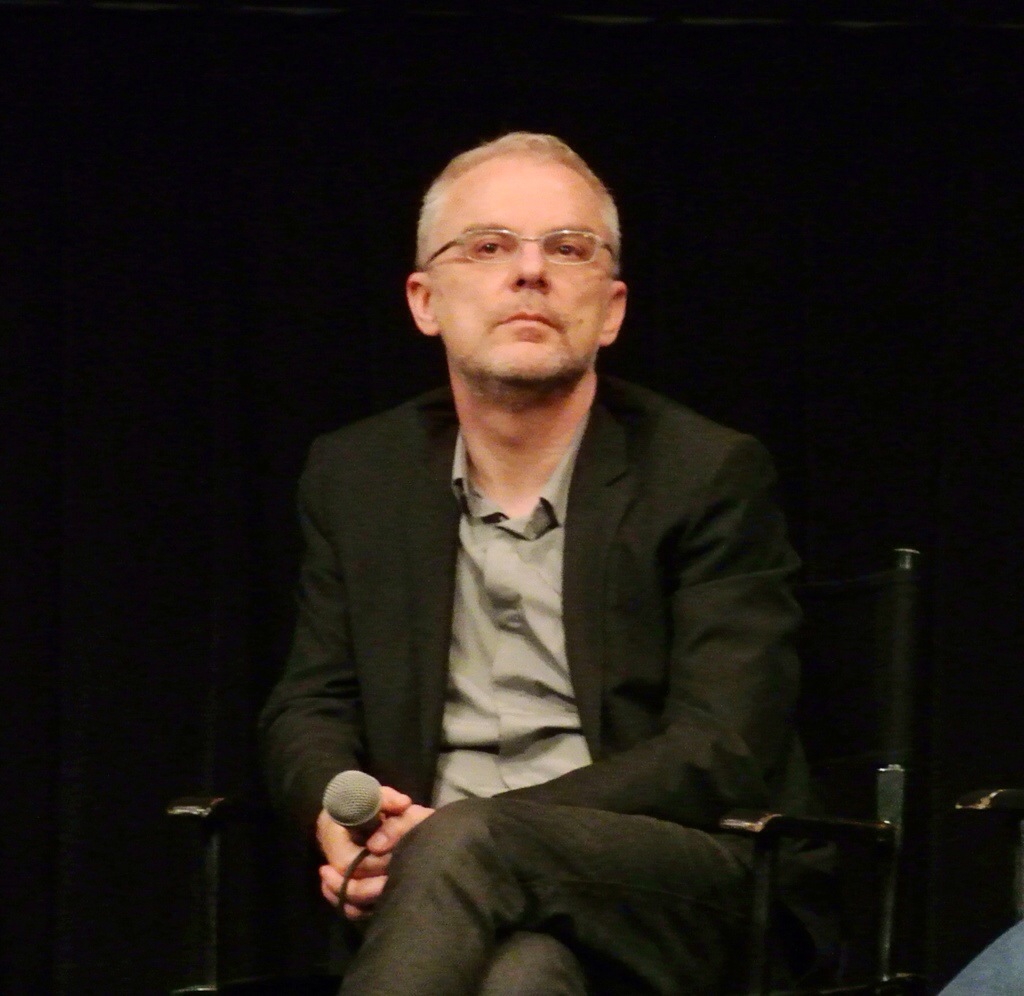
Directors like Daniele Luchetti proved to be a PLEASURE, bringing their films to America and talking about them. Luchetti, in particular, is a very nice guy, one who just happens to be talented, artistic, visionary, and in effect, the future of Italian cinema.
I had the honor of sitting down and talking to Daniele Luchetti, a director who brought his stunningly autobiographical film Anni Felici (Those Happy Years) to the my favorite film festival on the planet, Lincoln Center’s Open Roads:New Italian Cinema.
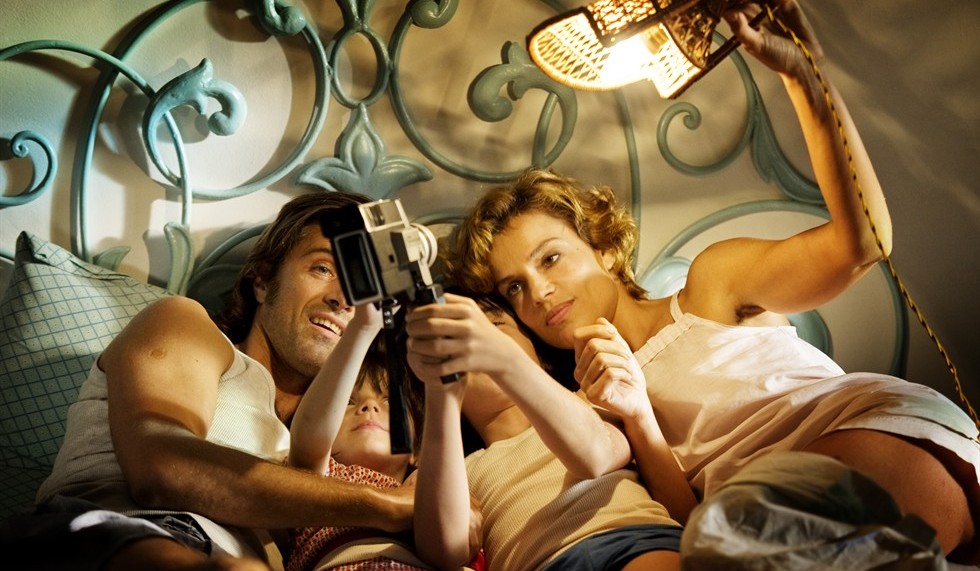
I loved the film, the story based on Luchetti’s childhood and his truly “out there” parents, but I loved Luchetti even more. The memories of his parents, his childhood, and how they’ve affected him as a grownup are beautiful and at times, heartbreaking. Luchetti says that it took jumping into “acqua fredda” (cold water) and just doing it, that is to say, telling the truth about his life.
He talked to me about shooting the film and how everyone kept telling him how brave he was, telling about his artistic, eccentric family and their volatile family dynamics and that he really didn’t understand what they were talking about until he started the editing process. Then, and only then, did he start to see what others were seeing, and he found that it had touched something in him and was unable to leave the editing room; and he spent a full year there.
At the screening’s Q&A after the film Luchetti was asked if something that happens at the end of the story had really happened. Luchetti replied that though the movie was mostly real events, this particular scene was something that had not happened, but something he had wished had happened.
I asked Luchetti if this was something that he’d planned all along for the movie, or if he’d discovered it along the way and he told me that the whole film was a collection of stories that 1) had actually happened, 2) he’d been afraid would happen, and 3) would have wanted to have happened.
The coping device for young Luchetti was something that would prove to serve him as an adult, a video camera, and when I asked its importance he told me that as a child it was a means of taking a distance from the events in his life. His memory was of a family in which everyone was trying to control everyone else, through affection, coldness, tenderness, and toughness, but always in a self-serving way.
The young protagonist suffers, but he doesn’t know why, so the camera allows him to take a distance and filter out what is going on.
I told Luchetti that I saw him as a very modern Italian director who seems to want to break away from the old school directors, and he agreed. He said that beginning his career he had wanted to make classic films, but as he grew as a director his methods changed and he saw the importance of the director/actor relationship. He said that in the old days, Italian director had an almost antagonistic relationship with the stars, but that he was much more interested in the actor and what they embodied as human beings.
Luchetti’s father has died, but he said that his mother and brother got a big kick out of seeing their story on the screen, though his mother was a little worried about what the neighbors would think.
“She was mostly worried about the scene in which the boy shows anger for his mother. The rest”, he said, “just amused her.
 I Love Italian Everything