Finding the Great Beauty in Rome: A Three-Day Itinerary
I’m sure that more than a few of you have seen Paolo Sorrentino’s Academy Award Winning La Grande Bellezza and wished that you could see Rome through Jeb’s eyes; and now you can.
We are so lucky to have a guest today, Lauren Marino from Italy Like The Locals. Her love affair with Italy started years ago when planning her own trip to Florence, and she’s returned to Italy every year to discover more of its regional treasures and unexpected sights.
She’s fluent in Italian and has become an Italian destination expert giving creative touring solutions tailored to travelers’ interests. For Italian travel inspiration and tips or to discover her custom trip planning services visit her website and learn more!
Finding the Great Beauty in Rome: A Three-Day Itinerary
by Lauren Marino, ‘Italy Like the Locals’
Ciao “I Love Italian Movies” blog readers. Like you, I can’t get enough of Italian movies. We watch Italian movies for different reasons: learning the language, travelling from your armchair, or immersing yourself in the culture, but one thing is for certain: in Italian films, Italy always steals the show.
This year’s foreign film Oscar winner, The Great Beauty directed by Paolo Sorrentino, is no exception. The movie follows Roman writer Jep Gambardella who, nearing the end of his career, takes a hard look at the state of his life in Rome. Sorrentino uses Jep as a lens into Rome and its contradictions—Rome is a place of great disappointment but also of great beauty
As an Italian travel consultant, the movie’s moments of beauty in Rome fascinated me. Visiting Rome can be overwhelming, and it’s hard to discover special places away from the crowds. Luckily The Great Beauty provides lots of ideas for your next trip to Rome. Here’s my three-day itinerary for creating your own great beauty in Rome.
Day 1: High Culture in the Centro Storico
The Great Beauty transports us into Rome’s high society and high culture, showcasing the gorgeous interiors of famous palazzi and museums, begging you to visit.
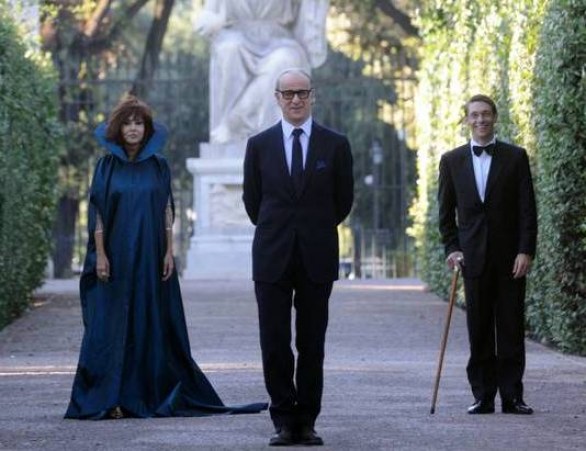
One of my favorite scenes is when Jep, desperate to make a good impression on an important dinner guest, rents an aristocratic family for the night. The family, who can no longer afford their former lifestyle, turns their palazzo into a museum to make ends meet. Although the palazzo where these scenes were shot isn’t regularly open to the public, for a glimpse into Roman bourgeoisie life visit the Galleria Doria Pamphilj.
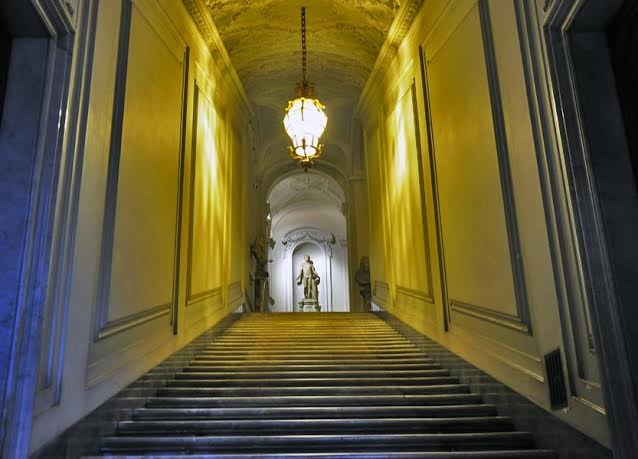
The palazzo was built in the 15th century and has been owned by the Doria Pamphilj family since the 18th century! The excellent audio tour is narrated by a current family member, who recalls family anecdotes, while you walk through elaborately decorated rooms that resemble Versailles. The palazzo is also home to paintings and sculptures by heavy hitters Caravaggio, Bernini and Titian. Classical music concerts take place throughout the year in its grand rooms.
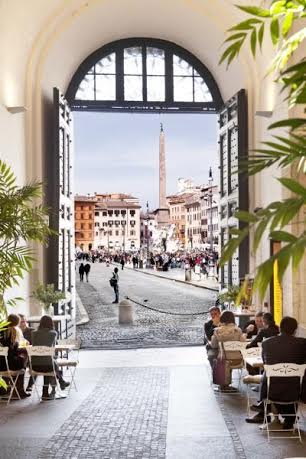
Next make your ways towards Piazza Navona. One of the loveliest piazzas in Rome, Piazza Navona is featured in The Great Beauty a few times, but it’s no secret to tourists. Enjoy the scene and picture perfect views of the piazza and its Bernini sculptures away from the crowds at Bras Café, which is right off the piazza and part of Palazzo Braschi.
Then head to Palazzo Altemps, an intimate museum where Jep’s companion, Ramona is dazzled by its extensive collection of Greek and Roman sculpture. Housed in a 15th century palazzo, the baroque frescoed walls make a breathtaking setting.
End your day of high culture with a little lowbrow fun in the young Monti district. While I can’t promise the all night dance party in the opening scene of The Great Beauty, Ai Tre Scalini is a lively, raucous place to have a few drinks with friends.
Day 2: Ancient and Sacred Rome
After yesterday’s dip into grandeur, get back to Rome’s ancient and holy roots. Start your day at the Scala Santa, a Roman Catholic pilgrimage site said to be the staircase that Jesus climbed to meet Pontius Pilot. In the last scenes of The Great Beauty, the elderly Sister Maria makes her way up the steps on her knees, as any pilgrim who wishes to climb them must, in an act of faith and devotion that contradicts the hedonism and decadence that pervades the movie.
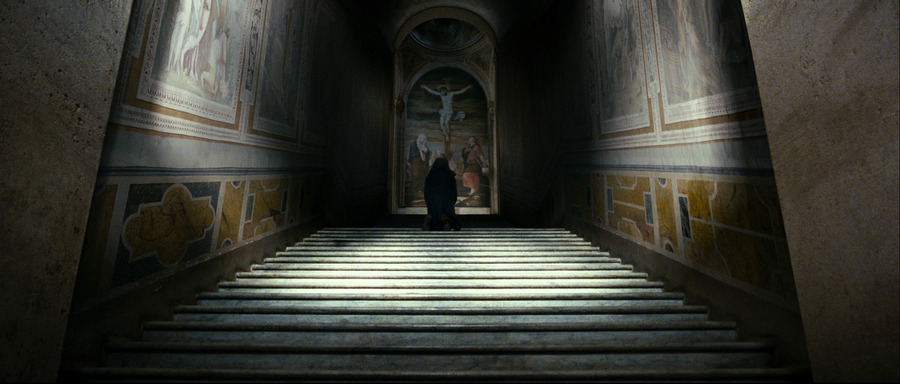
If you don’t want to make the pilgrimage, tourist steps lead you to the pope’s private chapels with fantastic 13th century frescoes. Continue the religious experience at the adjacent Basilica di San Giovanni in Laterano. It’s the first Christian church built in Rome, and its imposing baroque facade means business. On the inside there are well-preserved mosaics, frescoes by Giotto and a baldachin, which supposedly holds the relics of St. Peter and Paul’s heads.
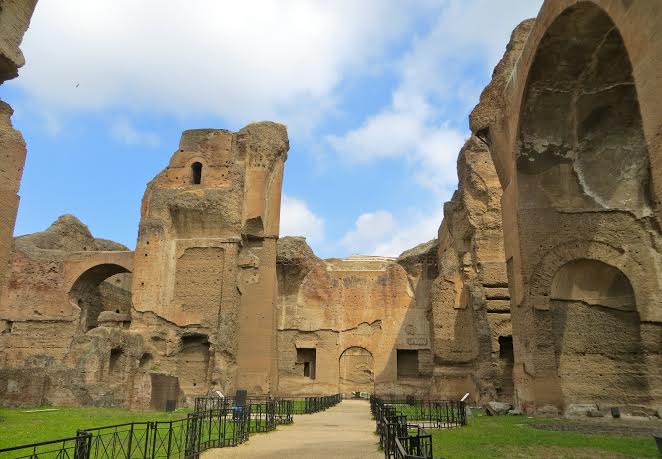
A fifteen-minute walk down via Druso brings you to the Terme (Baths) of Caracalla. In The Great Beauty, Jep has a surreal moment at the Baths, envisioning a giraffe in the middle of the ruins. Paolo Sorrentino has said this scene speaks to the mystery and surprise of Rome’s places, and I couldn’t think of a better way to describe these ruins, a gym and spa that saw 6,000-8,000 ancient Romans per day. Although all that’s left of the Baths is their shell, the massive scale of what remains gives you an idea of how grand the structures were. The intact mosaics of athletic scenes add a human touch. In the summer the baths hosts performances by the Roman Opera Company.
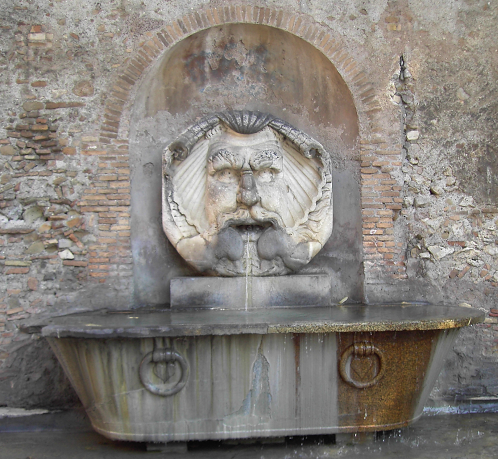
Walk past the Circus Maximus to Aventine Hill, where Jep likes to take morning walks. On top of Aventine Hill is Santa Sabina, one of the oldest Christian churches in Rome, famous for its 5th century wooden doors carved with biblical scenes. The inside appears stark lined by columns from the ancient Temple of Juno, but turn around to see the glittering mosaic Latin inscription that dedicates the church to the pope—a controversial move at the time. When you exit the church you’ll see the fountain where Jep washes up after a late night of partying.
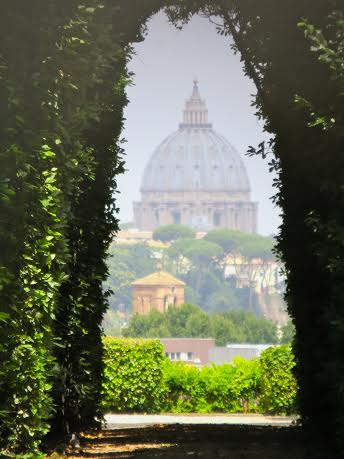
Then stroll though the adjacent Garden of Oranges for a panoramic view of Rome. A few steps down the road, stop at Villa del Priorato di Malta and look through the keyhole of the gate for a perfectly framed view of St. Peter’s Basilica, popularized by the film.
End your day by walking downhill to Testaccio, a working neighborhood that’s slowly gentrifying. Browse the gourmet shops or, if it’s not too late in the day, visit the colorful market.
Day 3: Head for the Hills
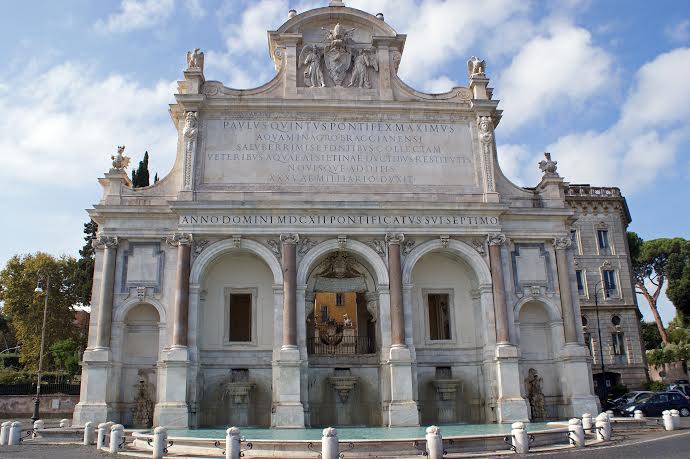
On your last day, rewind to the first scene in The Great Beauty. Take the 44, 115, or 870 bus to Janiculum hill. Soak in the romantic atmosphere at the Fontana dell’Acqua Paola, which caused the Japanese tourist in The Great Beauty to collapse in awe. It marks the end of the aqueduct and was an inspiration for the Trevi Fountain.
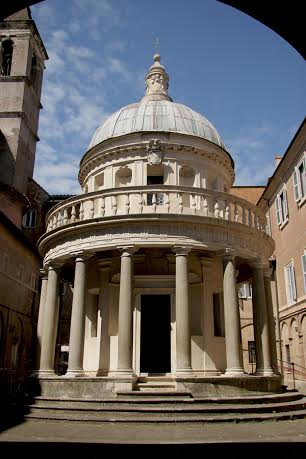
It’s a five-minute walk to San Pietro in Montorio church where in the courtyard is Donato Bramante’s Tempietto, built where St. Peter was supposedly crucified. It’s considered one of the most perfect Renaissance buildings due to its symmetry, and perhaps for this reason, Paolo Sorrentino used the Tempietto as a child’s hiding place of choice. If you stick around until noon you can see the cannons being fired.
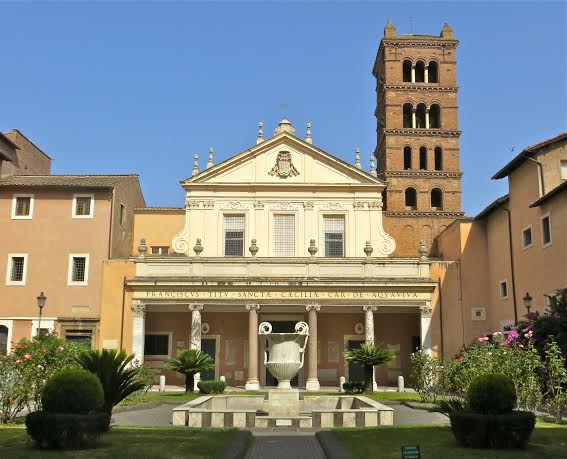
Stroll through lively neighborhood of Trastevere. While you shouldn’t miss the Basilica di Santa Maria, which contains some of the best mosaics in Rome, make time for my favorite church, Basilica di Santa Cecilia. Enter through the gates and you’ll have the whole church to yourself. Its pastel exterior and pretty grounds remind me of the secluded cloisters featured in The Great Beauty.
Ring the doorbell of the cloister adjacent to the church and the nuns will lead you to the choir, which has a breathtaking fresco of the Last Judgment by Pietro Cavallini. It’s a slice of secret Rome that makes you realize how special the city is.
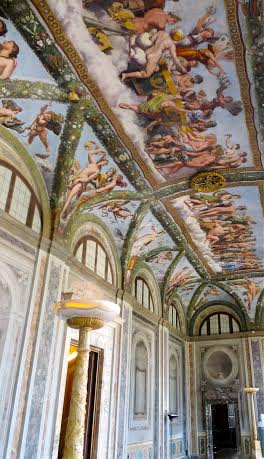
End your Great Beauty tour at the 16th century Renaissance Villa Farnesina. While looking up at the fresco of Cupid and Psyche by Raphael I couldn’t help but be reminded of Jep’s sentiment that great beauty does exist in Rome—you just have to find it.
Check out a map of the itinerary
 I Love Italian Everything