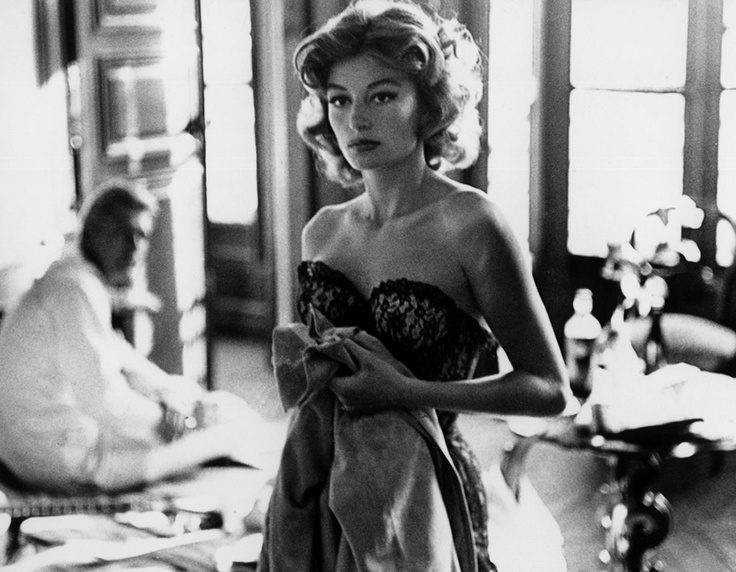
“You just never know when you’re living in a golden age”. (Alexander Payne)
We’re in the middle of something big, something important in Italian cinema, and we should be enjoying it. It’s not a competition, Fellini vs Sorrentino, but we need to at least entertain the possibility that one day Sorrentino’s will be considered a golden era. We’re here. Let’s embrace the present.
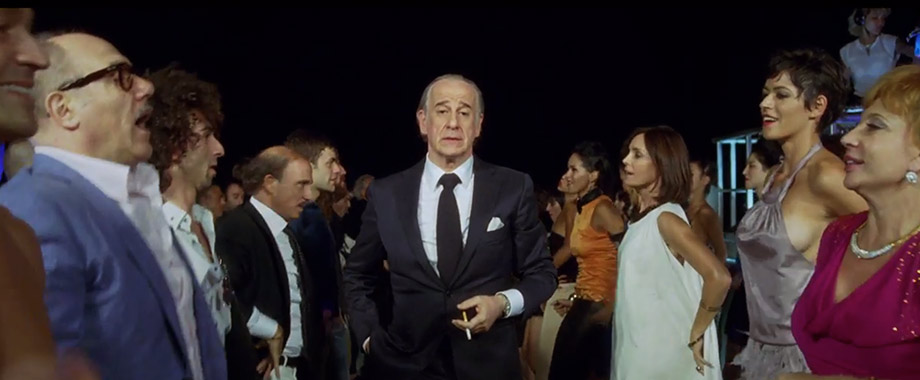
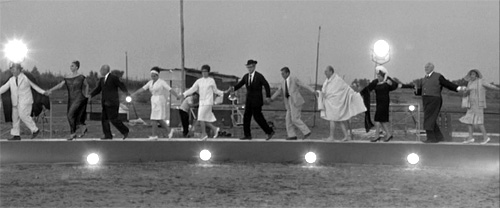
For those who criticize Paolo Sorrentino for excessive capriciousness, remember that Federico Fellini was judged in much the same way.
“Almost no one knew for sure what they had seen after one viewing,” wrote film critic Alan Stone of Fellini’s 8 1/2, and the same is surely true for Sorrentino’s La Grande Bellezza. “The Great Beauty was largely praised by critics, audiences weren’t so easy to please, and while the New York times was calling it “luscious”, theater goers in America used words like “pretentious”.
But what is the pretense? Can a director really be criticized for being overly ambitious? If you didn’t like La Grande Bellezza the first time, give it another look.
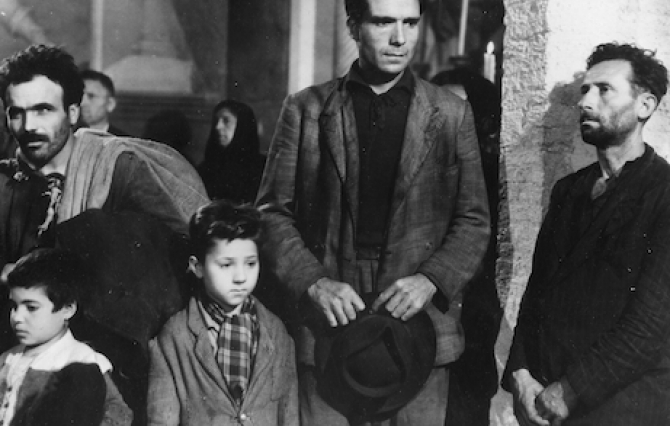
For lovers of neorealism, the stories about real working-class people, filmed on location, frequently using non-professional actors like Ladri di Biciclette (The Bicycle Thieves) can’t be duplicated, but the movement can live again in a different way for modern times.
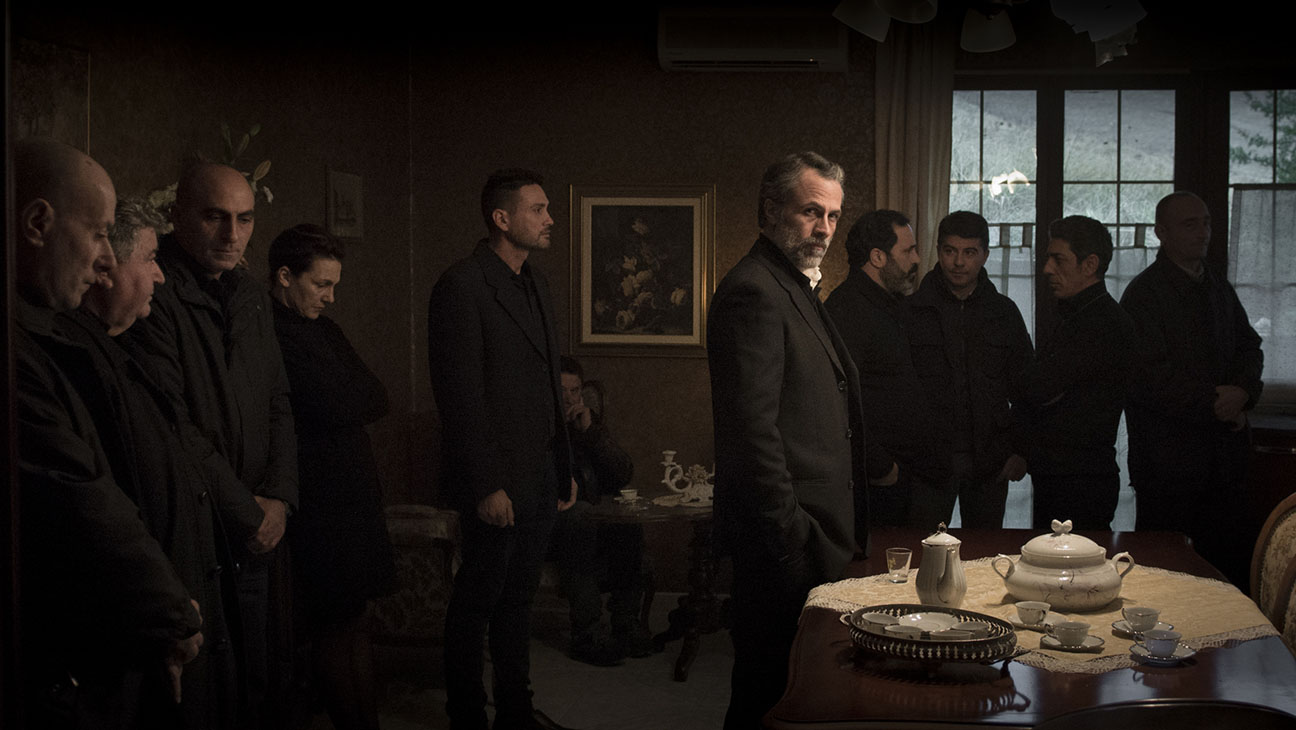
Take a look at directors like Francesco Munzi, Laura Bispuri, Michele Alhaique, and Alessandro Rossetto, ones who, as Munzi told me,“speak of our reality, take risks, and want to invent something new.” Munzi’s Anime Nere (Black Souls), stars a large number of non-professional actors and tells the truth and nothing but the truth about what’s happening in Calabria these days. It is “a tragedy and it speaks of emotions and not just crime. I like classic Dostoevsky dramas and I wanted to recreate the visual aspects of the great tragedies,” Munzi told me.
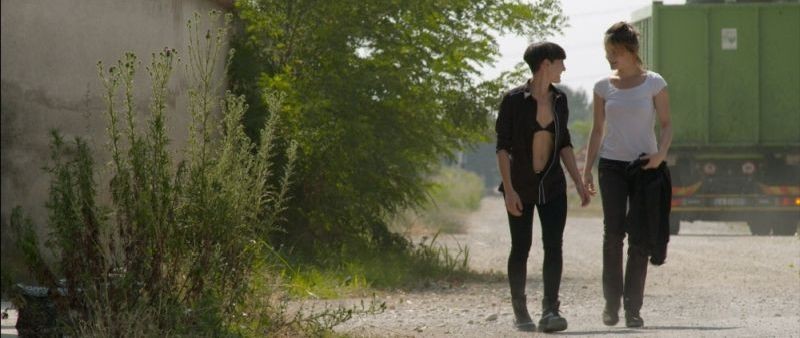
Alessandro Rossetto’s ‘Piccola Patria’ is an amazing gem that tells the story of two disenfranchised young women in Northern Italy. It’s disquieting and hyperrealistic film about the two young friends, Luisa and Renata who are trying to save up enough money to leave, but the two girls make 250 euro a month as waitresses in a big hotel that seems wildly out-of-place in their farming community, and they need to find another way to earn cash.
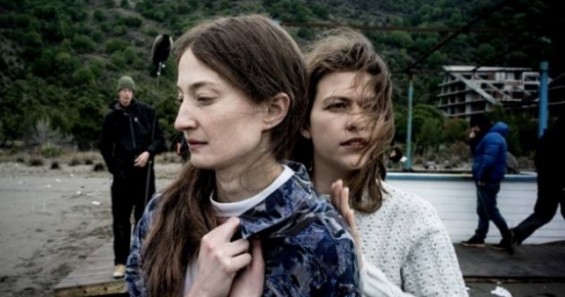
Laura Bispuri’s ‘Vergine Giurata’ may be about something rather uncommon, but the emotions and humanity in it holds truth that speaks to us all. Hana’s (Alba Rohrwacher) life is dictated by the tradition of her northern Albanian homeland. There, women can’t hold a man’s job, smoke, drink, or carry firearms, UNLESS, they give up their femininity. For a variety of different reasons (and I am guessing homosexuality is one of them) women can renounce their gender, and live as men, but they must swear to remain virgins.
Bispuri’s film looks obviously at the rights of women, but as she told me, at the rights of everyone, man or woman, who wants to live his or her life the way they want to live it.
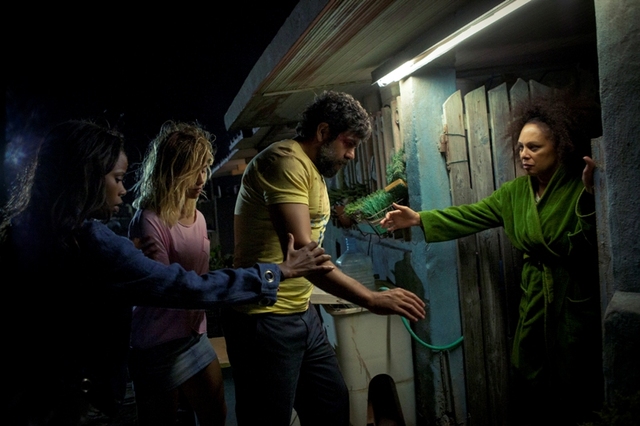
Senza Nessuna Pietà is from director Michele Alhaique and again, a hard look at hard times.
Mimmo, played by Pierfrancesco Favino, is part of a crime family but is happier at his day job as a construction worker. Having been left fatherless at an early age, his uncle raised him and expects his bruiser nephew to provide muscle when debts need to be collected. Mimmo is perfectly capable but clearly unhappy about his lot in life, destined, it seems, to live it out in a clinically depressed state.
Remember what Shakespeare said: “The golden age is before us, not behind us”.
And remember what Cheri Passell from I Love Italian Movies says, every day, “Italian movies have never been better.”
 I Love Italian Everything