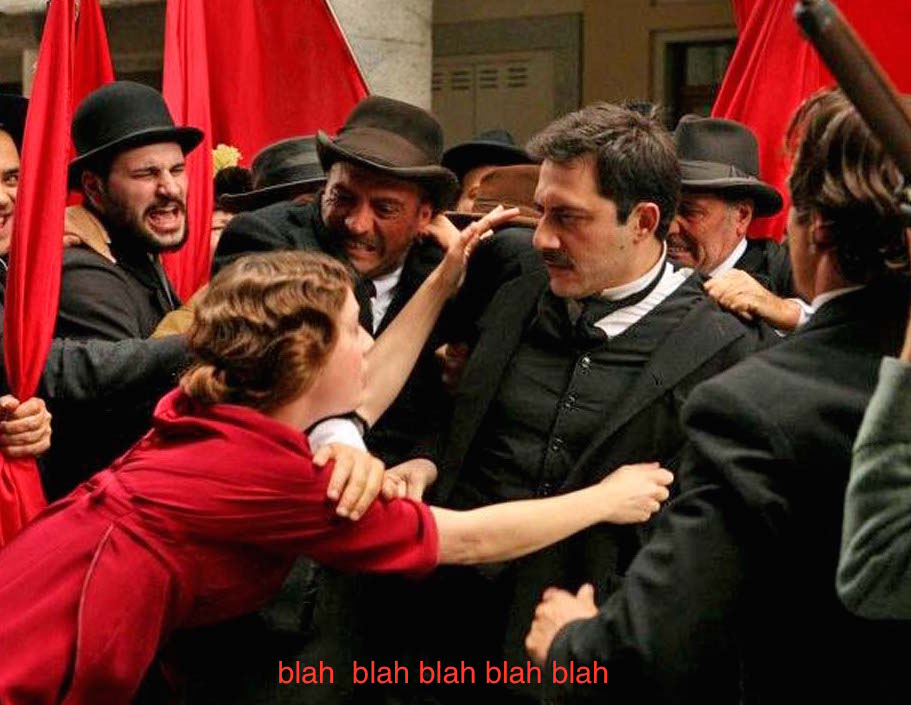
Watch some great films and go back to school with astonishingly brilliant knowledge of Italy’s history.
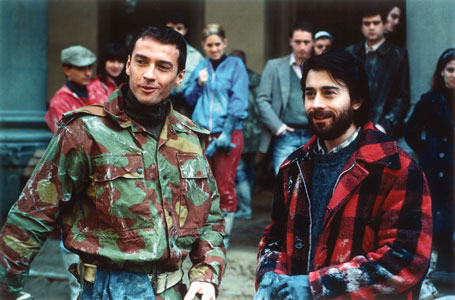
A good place to start? Try La Meglio Gioventù, and follow the lives of two brothers through all the tumultuous changes and events from the 1960s to the 2000s. Directed by Marco Tullio Giordana it’s got an epic cast; Luigi Lo Cascio, Alessio Boni, Jasmine Trinca, and Maya Sansa, and though it’s long (it was a TV miniseries), you’ll be automatically conversant in Italian history and want to know more.
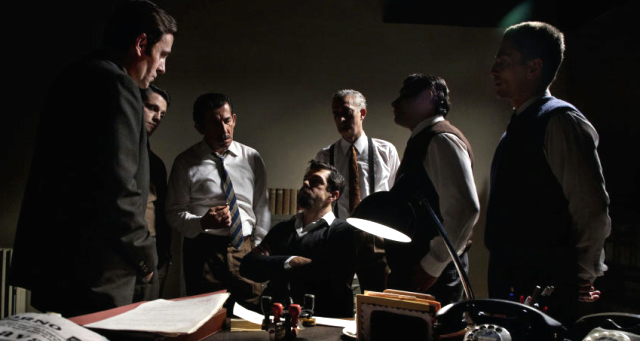
Ever hear of the Anni di Piombo? The “Years of Lead” was a long, terrible period in relatively recent Italian history marked by bombings, kidnappings, assassinations, and other forms of mostly home-grown terrorism from the ’60s to the ’80s.
One of the earliest events was made into another movie by Marco Tullio Giordana, Romanzo di una Strage (Piazza Fontana: The Italian Conspiracy) is a fascinating account of the 1969 bombing of the Banca Nazionale dell’Agricoltura in Milan.
Based on a book by Paolo Cucchiarelli, Giordana tells the story of the terrorist attack in which a bomb exploded in Piazza Fontana (.1 mile from the Duomo) in Milan, Italy, killing 17 people and wounding 88. The same afternoon three more bombs were detonated in Rome and Milan and another was found undetonated.
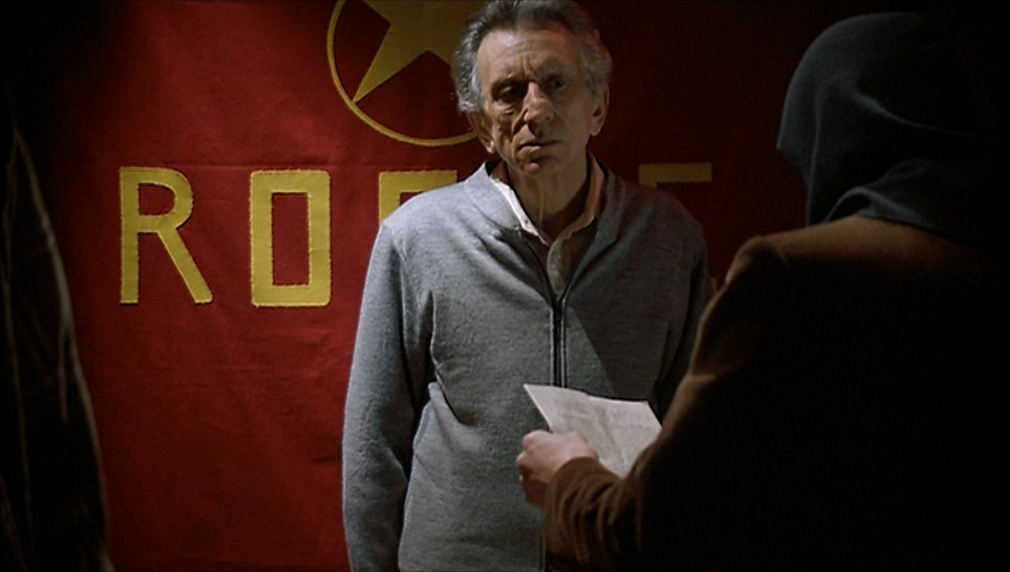
Want to know what really lies in the heart of a terrorist? While we can’t know for sure, Marco Bellocchio gives us a fascinating idea of what it might be like in his Buongiorno, Notte (Good Morning, Night).
Bellocchio’s 2003 film is about the 1978 kidnapping and assassination of Aldo Moro, Italian president of the political party, Democrazia Cristiana by a terrorist group, the BR, Brigate Rosse. The Red Brigades wreaked havoc, and was responsible for 14,000 acts of violence, the kidnapping of public figures, and having murdered 75, Aldo Moro the most famous. Bellocchio tells the story shown through the eyes of one of the terrorists, a 23-year-old girl named Chiara (Maya Sansa), who in effect, epitomizes the young, idealistic anarchists who believed, as Chiara’s leader told her:
Per la vittoria del proletariato è lecito uccidere anche la propria madre. – For the victory of the proletariat it is lawful to kill your own mother.
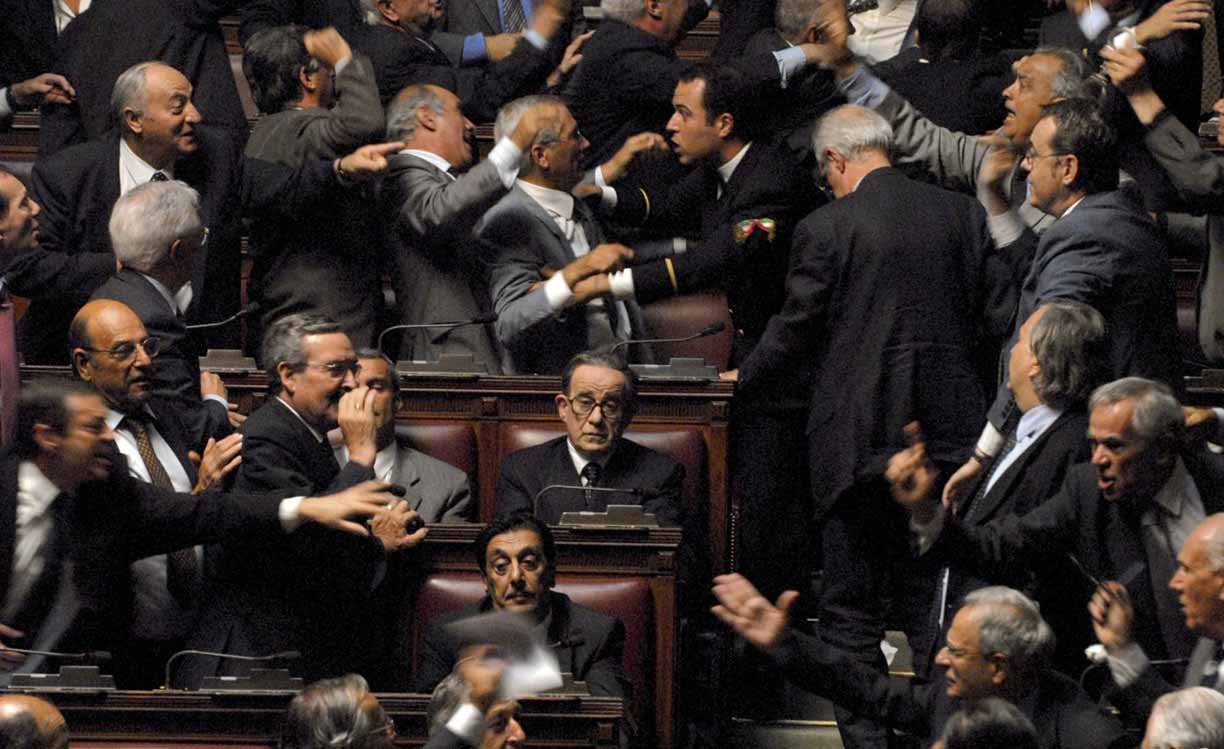
And though it’s easy to blame terrorist groups like the Red Brigades for all the trouble, Paolo Sorrentino attempts to get to the root of them, going all the way to the top, with his film Il Divo.
While it may seem like the movie is one big conspiracy theory, this amazing story of Italian politics is not a piece of fiction. This is Italy’s Watergate – with a lot more blood – and it makes for a shocking and compelling movie.
The film’s subject, Giulio Andreotti (who died in 2013), the seven time Italian prime minister (Richard Nixonesque in more ways than one), walked out of the movie’s premier. Not a surprise.
Was the Prime Minister incredibly unlucky or undeniably guilty? – that is this film’s question, because in Andreotti’s 20 some years in office, there were a whole bunch of “unfortunate” assassinations and killings made to look like suicides – people that were creating problems for the Christian Democratic Party. According to the movie, the only thing that really bothered Andreotti was the abduction and murder of Aldo Moro by the Red Brigades in 1978. Andreotti infamously refused to negotiate with the terrorists and was accused of wanting Moro dead. That’s what his character said he’d felt remorse for, but I’m sure that the real thorn in the real prime minister’s side was his 22 year prison conviction (overturned) for his alleged Mafia connections.
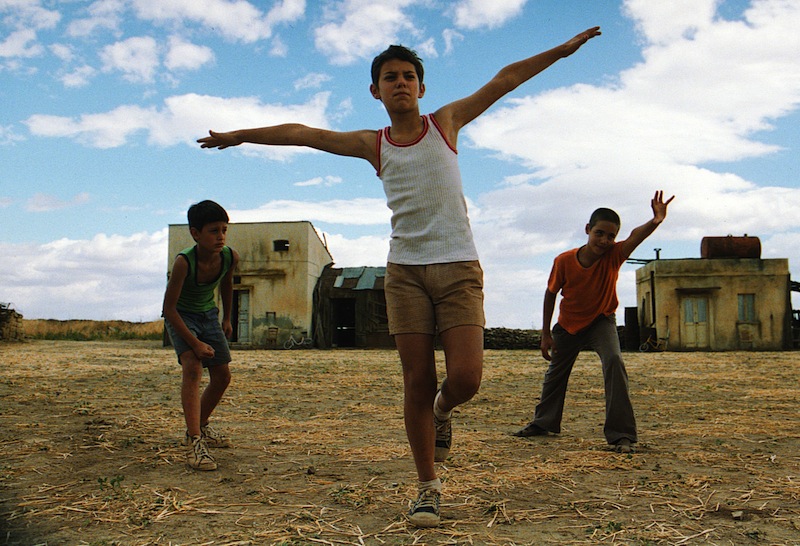
Io Non Ho Paura (I’m Not Afraid) is based on the story of real boy from Milan who was kidnapped during the Anni di Piombo, when there was an epidemic of wealthy people who were kidnapped, often children, from the North and held them in the South, and killed them if a ransom wasn’t paid; sometimes even it it was.
This gripping movie set in 1978 Basilicata was filmed from a child’s perspective – literally – the lens is lowered to a child’s eye level. And it is told from a child’s emotional level; we are really made to feel Michele’s compassion and fear, and Filippo’s despair. Watching them I became lost in their world and genuinely afraid for them.
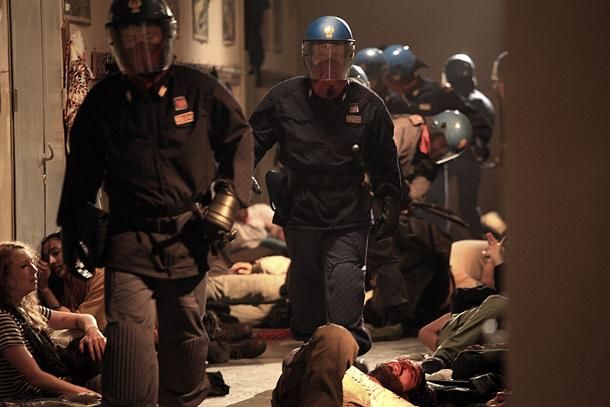
Moving on to a more recent violent moment in Italian history, Diaz: Non Pulire Questo Sangue (Don’t Clean Up This Blood), listen to what director Daniele Vicari said about making the film:
“I’ve made a lot of documentaries before this”, said Vicari, “but this was the first time I realized I made a movie based on facts that were actually real…as soon as I started reading about the acts and meeting the victims, I started feeling nauseous.”
During the G8 summit in 2001, police raided the Diaz school in Genoa, Italy, searching and beating the protesters who were staying there for more than two hours. Over 3000 hours of personal video and photos of events outside the school were released to the press and can be seen on YouTube, and the events inside the school were reconstructed from first hand testimony from hundreds of victims.
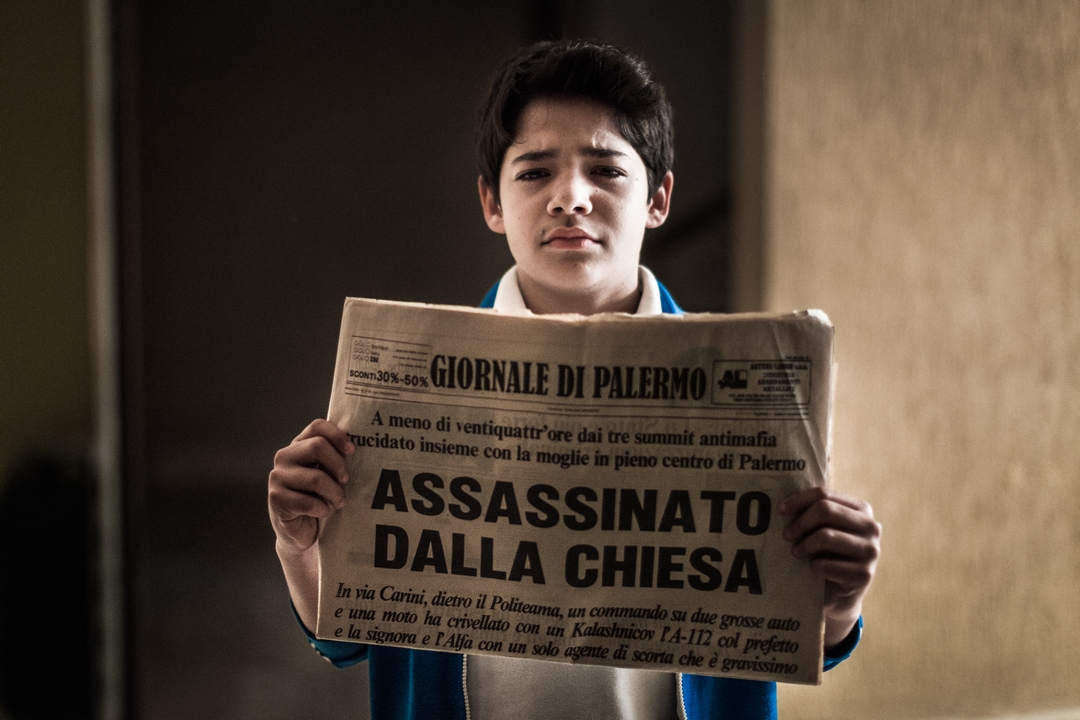
Though a comedy, and a very cute one, Pierfrancesco Diliberto’s La Mafia Uccide Solo D’Estate (The Mafia Only Kills in the Summer) is a very complete account of the mafia’s killing spree that resulted in the deaths of judges, politicians, and police officers and reached fever pitch with the famous “Maxi-Trial”. In a kind of Forrest Gump way, a little boy shows us what it was like for an average person to live under the mafia’s thumb in Palermo and witness the horrifying events.
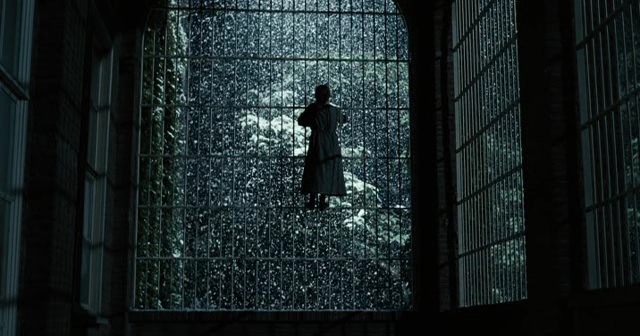
No history class would be complete without Marco Bellocchio’s VIncere (Winning), in a way, this is just your ordinary “boy’s an abusive pig, girl gets off on abuse” kind of love story, but the abusive pig in this story is Benito Mussolini and his secret wife Ida, who was ready to lay down her lives for him.
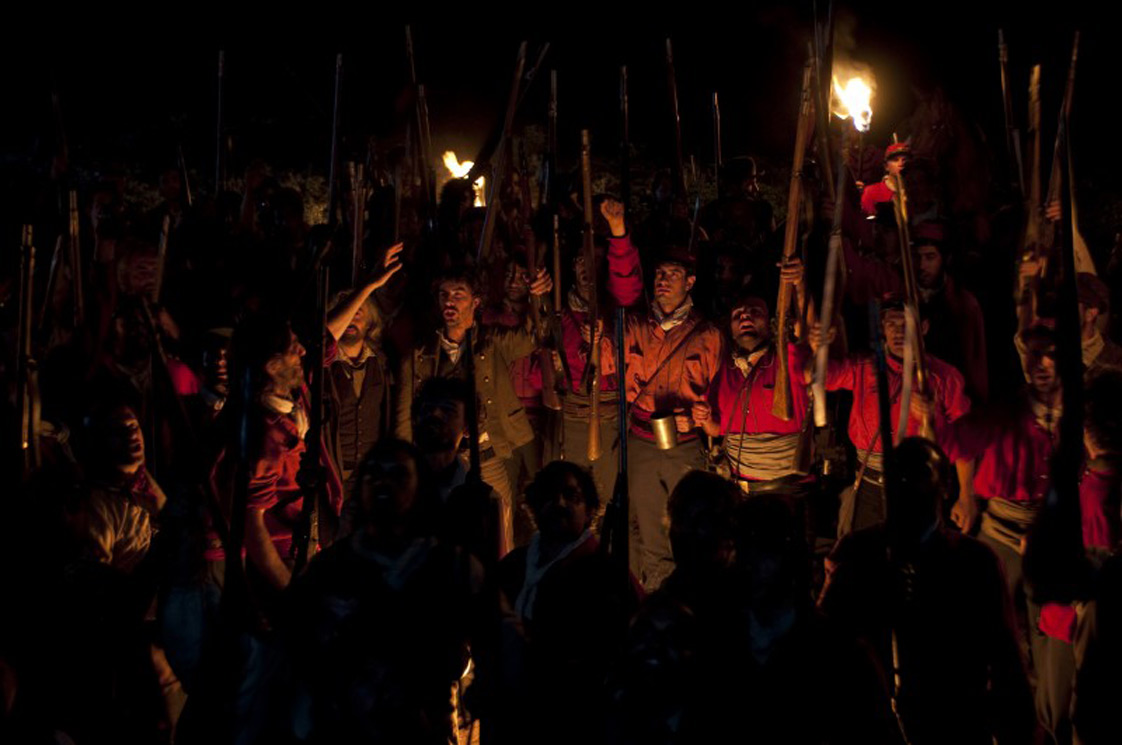
And if you are really, really ambitious, try Noi Credevamo (We Believed), about the Italian Unification. After having watched the movie I know two things: 1) I hadn’t understood very much about Italian history and 2) I still don’t. I also have learned, from the movie, that Italy’s struggle for freedom was like most country’s – it was long, hard and complicated. The process started around 1815 and ended around 1871 with the Franco-Prussian War, so many of the people who began the uprising weren’t around to see the results, and there were many who were born into a conflict that they had nothing to do with the conflict’s birth.
Watch these films and your teachers, or your children’s teachers will think you are some kind of Italian history savant.
You are welcome.
 I Love Italian Everything