“Desire…so pure, so impossible, so immoral; it doesn’t matter, because that’s what makes us alive.”
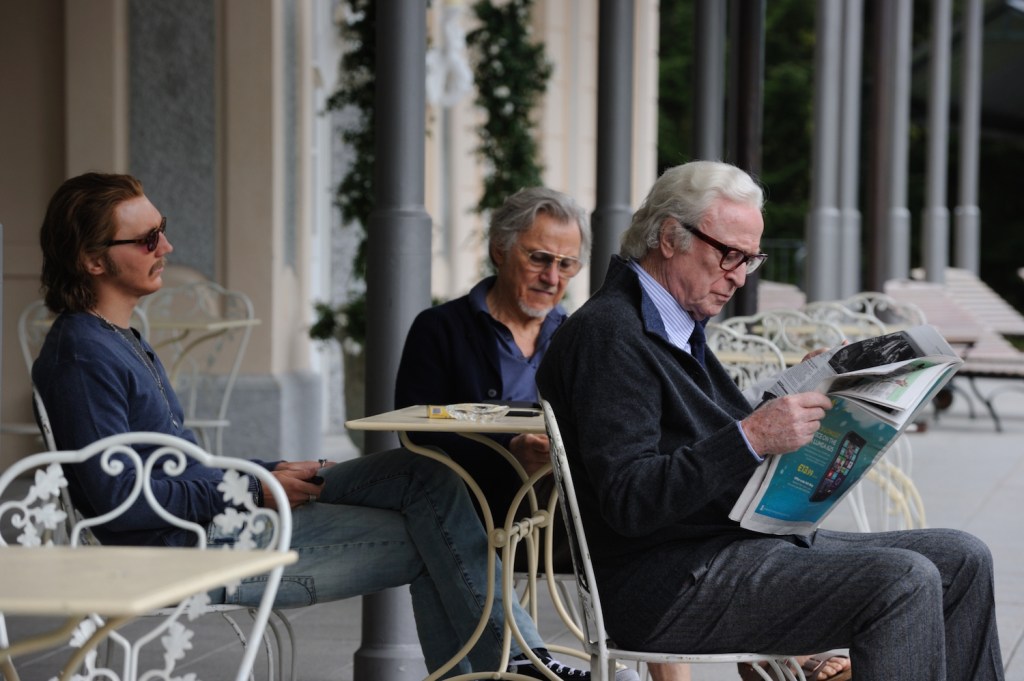
In Paolo Sorrentino’s ‘La Giovinezza’, Youth, due to arrive in American theaters in December, Jimmy, a young actor played by Paul Dano vacations at a Swiss resort and prepares for an upcoming role. As he spends his lazy days in the crisp mountain air, and his evenings sipping cocktails in the moonlight, he’s doing what, I suppose, all good actors do; he’s observing the human behavior around him.
He watches two aging buddies, Mick, a director, played by Harvey Keitel, and Fred, a composer played by Michael Cane, on holiday together, and he befriends them, asking them to “be generous” and tell him about their lives. Both understand that their time on earth is limited, but they are handling their old age in different ways; Fred seems indifferent and lethargic, facing each day with a weary resignation. Mick, however, is working on his masterpiece, his “testament”, with a group of young screenwriters with the enthusiasm of a younger man. In an ironic twist, there’s a third rewrite of the script and everybody including the producers are happy, but the writers still can’t come up with a way to end the film, but Mick’s not worrying about it.
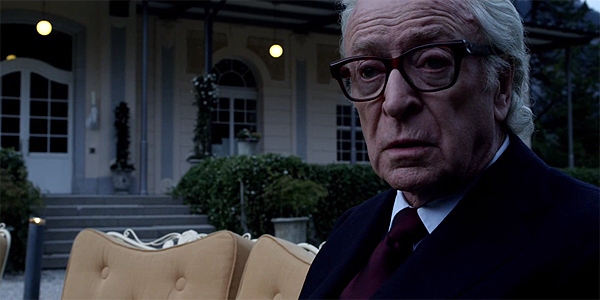
Jimmy’s observations are correct when he concludes that desire is what keeps them all alive, because there is no point to life if we have no appetite for anything, good or bad. But he’s wrong if he thinks that, at his age, he can really know anything about Mick and Fred, and won’t until he’s lived many more years with all the ups and downs, pain and joy, and success and regret. He thinks he gets it, but he’s too young.
Youth is absolutely gorgeous, but not just visually. The dialogue is sensual overload for a conversation lover like me, and you get lost in the richness of the soundtrack . I watched the film three times in a row and each time I heard something new, a word or phrase that made me stop and consider its meaning for me.
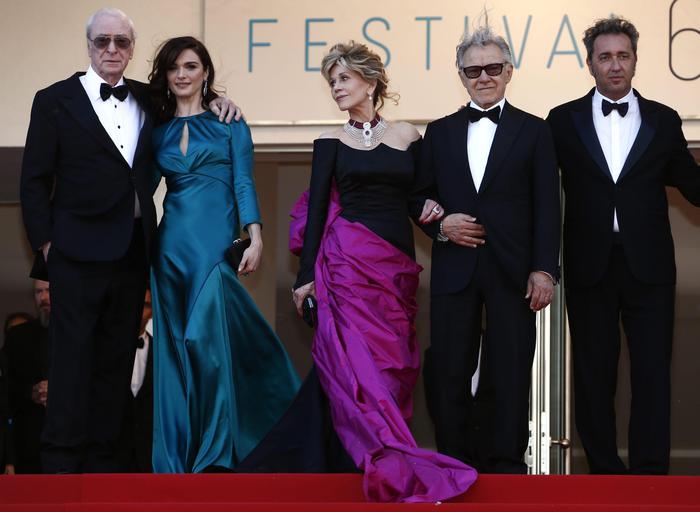
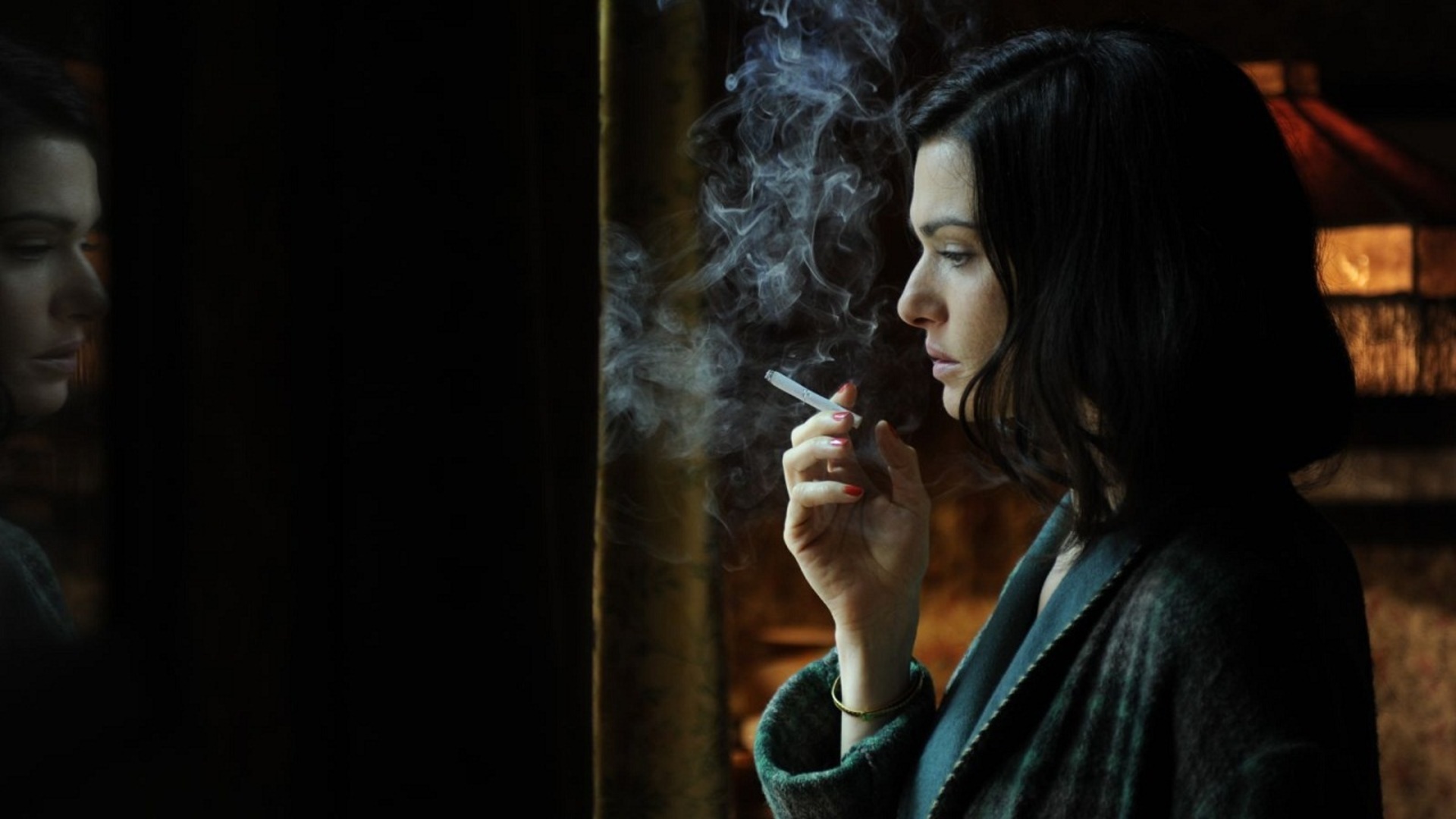
Sorrentino is a master at castings his complicated stories, and here, he adds Rachel Weisz as Fred’s daughter and Jane Fonda, in a role that only the bravest of aging actresses would agree to. Keitel, Cane, and Dano are so natural and believable in their roles, and Sorrentino has given humor to their characters, rescuing the film from becoming just one more brooding film searching for the meaning of life.
 I Love Italian Everything