This directors’s film, Piccola Patria (Small Homeland) is at the very top of my “WHY WASN’T THIS DISTRIBUTED IN THE USA??” list.

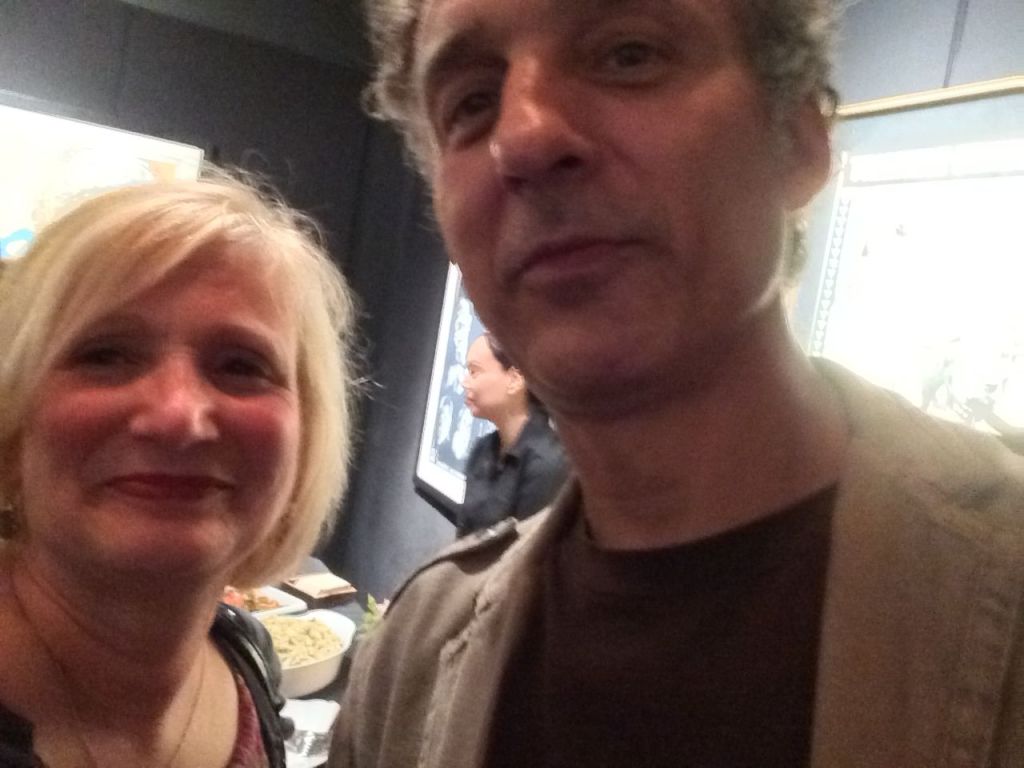
I first saw Piccola Patria at the 2013 Venice Film Festival and walked out of the Biennale’s Sala Grande feeling like I’d been punched in the stomach. I suppose this shouldn’t have been the first thing I said to Rossetto about his film, but that’s what I said.
“It was really depressing”, I added.
But I couldn’t help it; it was depressing, very dark, and at first glance a portrait of the hopelessness of today’s dead-end youth. In it, Luisa, played by the darling Maria Roveran, and Renata want out of their imporverished lives in northern Italy badly, and they’ll do anything to make their dreams of escape possible. I admit that, at first, I didn’t see the hope in any of it.
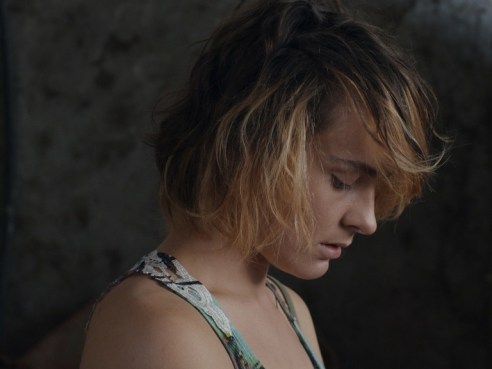
But I was mistaken, insisted Rossetto. “There’s love, and redemption for Luisa and Renata.” Their misguided attempts to use blackmail to get the money they needed was part of a “moment of indecision” in their process of maturing.
“The others in the film are entirely lost”, he laughed, but he wasn’t joking, talking of his “classical tragedy”. And for once, this Italian film’s tragic circumstances weren’t in southern Italy, as are most of the stories of a lost and broken Italy, but this time in the Veneto region, the one “everyone thinks is rich.”
In Veneto, “lost people” like Luisa’s nationalistic and Xenophonic father dream of independence from Italy and fear the immigrants arriving from places like Albania. The anger and frustration Luisa’s father is feeling becomes a powder keg of emotions that could explode with any number of the things that are swirling out of control in his life, but the girls are tired of all that. They just want to be young and happy.

Rossetto, a documentary filmmaker, used his attention to detail and ability to tell a realistic story about people and places to his advantage, getting things like the Venetian dialect just right with actors who can authentically use it. “But through the “specificity”, he said, “you become universal”, and added that the story could just have easily have been about “a square mile of Texas”.
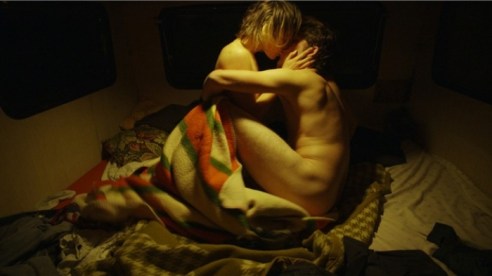
And then I saw what I’d missed before, the thing that someone that hadn’t lived quite the charmed life that I’ve lived might more easily see. That there is love and redemption and even escape for girls like Luisa and Renata, but it’s not always the fairy tale kind.
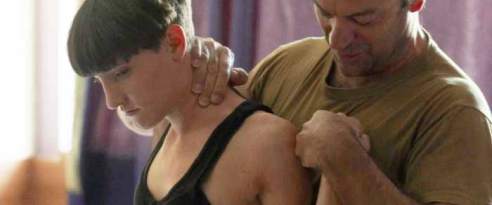
I told Rossetti that the music was one of my favorite things about the film, and he was clearly proud of his soundtrack. It begins and ends with traditional songs from the region, Joska La Rossa and L’Aqua ‘Ze Morta, sung by a booming chorus. Rosetto told me that he asked Maria Roveran, to write and perform two songs, because he wanted to them to be from the character’s perspective.
Piccola Patria is raw, harsh, and hard to watch and why it isn’t available here remains a mystery to me and a pity.
 I Love Italian Everything