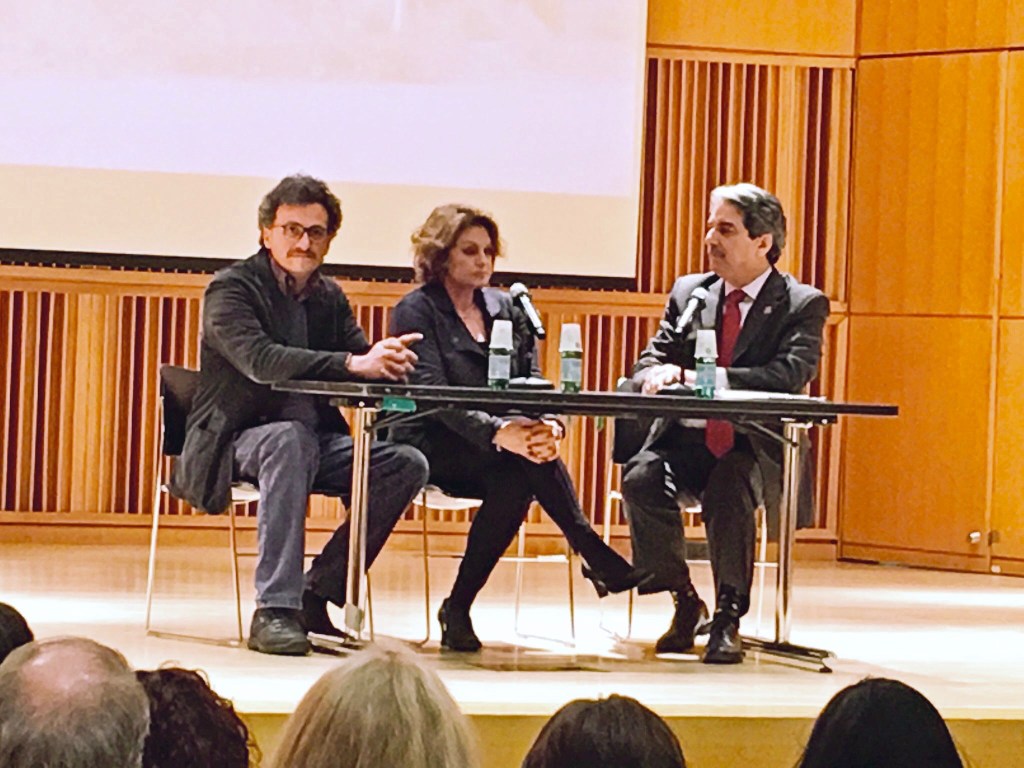
Hyperboles aside, the New York City premiere of Montedoro was a life changing experience for audience members.
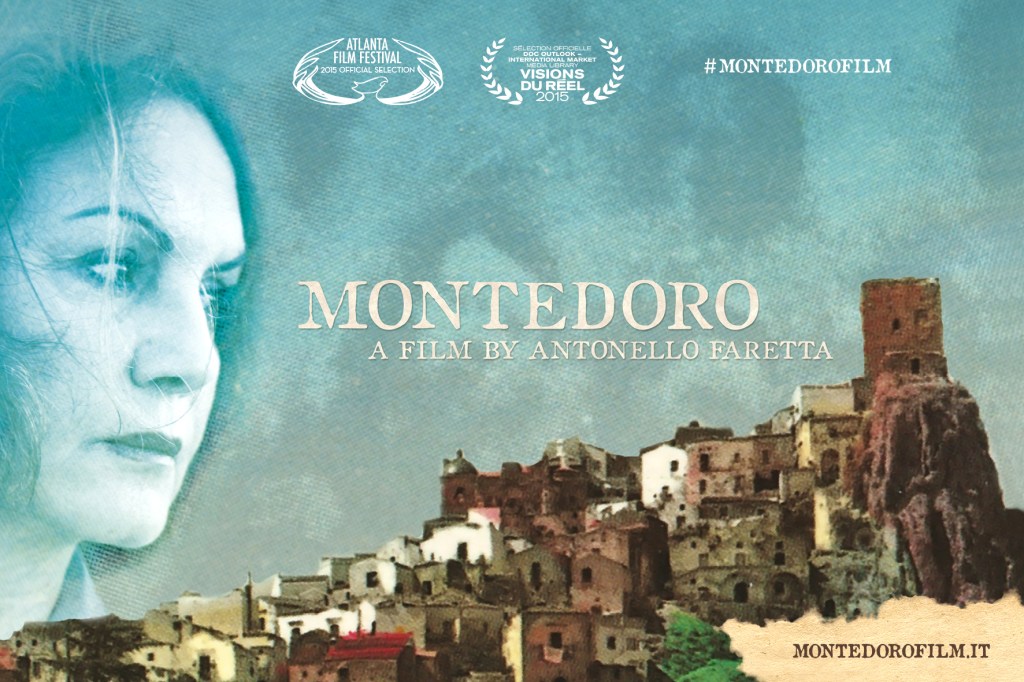
When I think of the future of Italian cinema, I can’t help thinking of a film like Antonello Faretta’s Montedoro, one that is so personal and defies genre categorization but feels like something we are all part of in some way. Last night’s New York City premiere at the CUNY graduate center was a revelation for all involved.
The film centers around Pia, (Pia Marie Mann) who plays herself, and her search for a past that she’d remembered in dreams and only in recent years found out was reality. When she was a child, a mother that was too poor to care for her sent her to live in an orphanage, and an illegal adoption brought her to America. Though she grew up happily and securely, she wondered about her dreams of a little girl in Italy and her fondness for certain foods like figs. “Who am I?” she asks herself in the film, and I can imagine a thousand times in real life.
On Pia’s real life trek to the past, traveling to Craco (the ghost town that Pia is from, called Montedoro in ancient times), Pia met director Antonello Faretta and a life changing journey for everyone involved was born.
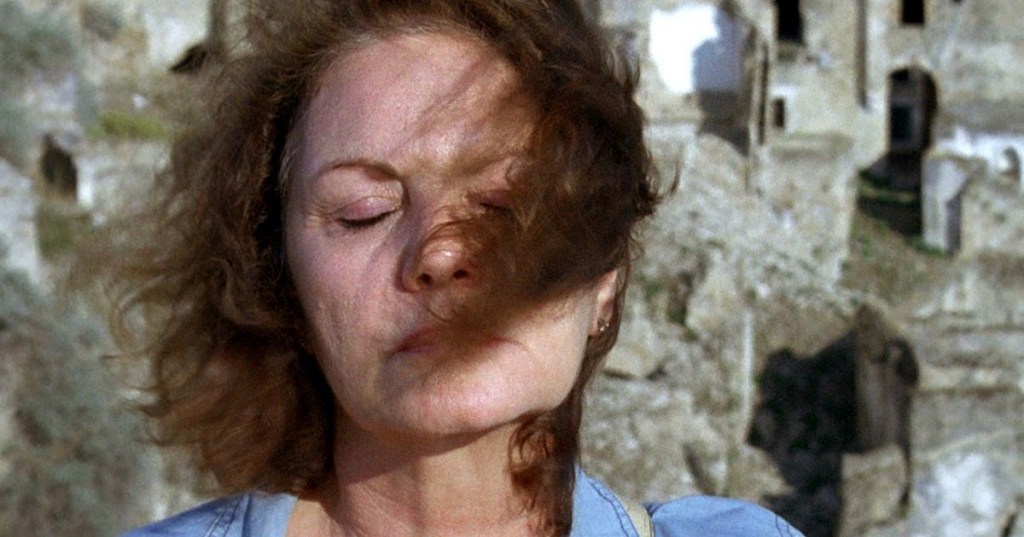
Step one: Getting Pia to agree to tell the story and do the film. Friends say that Pia was very shy as a kid, and Pia herself said that ten years ago she’d never have been able to get up in front of an audience and talk about herself. “The truth will set you free”, and it has done just that for Pia.
Once Antonello got started, his “documentary” grew to a point at which it could no longer be called documentary. So what is Montedoro? Is it contemporary cinema. It is art. It was, apparently, therapy for the protagonist. It’s truth. It’s storytelling at it’s best.
“It’s the best thing I’ve done in my life”, said Antonello.
READ MY INTERVIEW WITH ANTONELLO FARETTA AND PIA
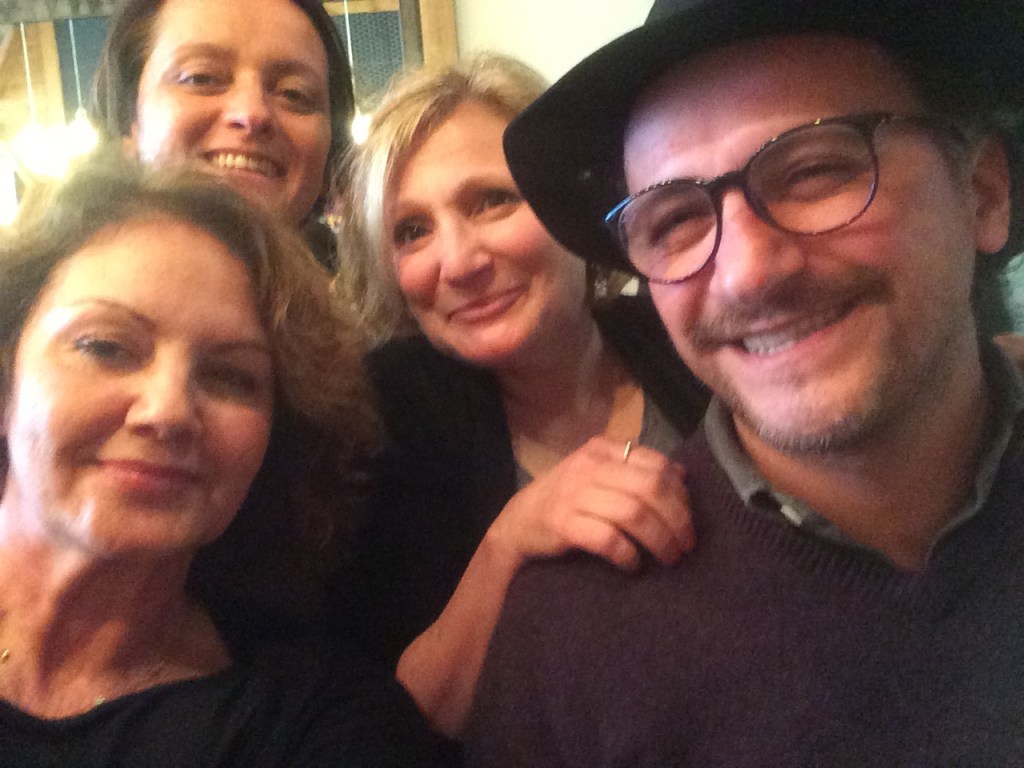
During the Q&A after the film audience members were at first reticent about going to the microphone and asking anything, but when the ball got rolling it was clear that Pia’s story had struck a chord. One woman was touched by the way the harshness of the film steered so sharply away from the image that she had of the sunny, happy Italy she’d gotten to know from other movies, and this sentiment was clearly shared by others. Someone asked how Antonello got permission to film in Craco, now a ghost town, and now so dangerous because of the crumbling buildings that it is forbidden to go there.
Faretta started to laugh and we all knew the answer. Finally, he said, “It was like a…how do you say it?” and he turned to ask for help from the moderator.
“A bank robbery. It was like a bank robbery.” Apparently the proper permits were not secured (oops!).
I wish I could tell you where to find Montedoro, but you’ll have to watch for it, and I’ll be here to help with that.
 I Love Italian Everything