American film awards don’t have an equivalent, but in Italian cinema, the Best New Work award is an important one.
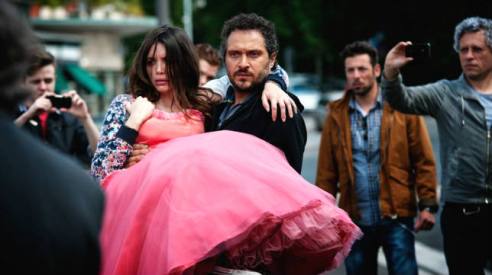
This year, it may appear as if Mi Chiamavano Jeeg Robot had no competition, but for the rest of the nominees it was a little like making a film the same year Avatar came out. Jeeg Robot won best film in most of the arenas, and director Gabriele Mainetti has for sure done something really special here.
They Call Me Jeeg, as it was called at English language screenings, is a thrilling super hero movie with cool special effects; it’s original, colorful, and just plain fun. But somebody like me is always going to whine about an action movie winning an award like this, so let’s just take a minute to honor some of the “also-rans”.


Even very successful new directors in Italy like Gabriele Mainetti are genuinely confused when I tell them that Americans are interested in Jeeg Robot:”People in Ohio know about my movies?” Mainetti looked like was sure I was lying. (Why would I lie Gabriele?)
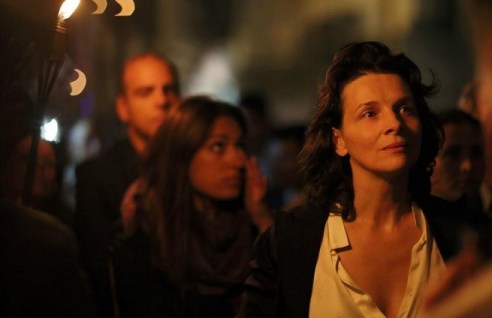
Not all new directors have the confidence of Piero Messina (L’Attesa, The Wait), who decided that he absolutely had to have Juliette Binoche as his leading lady and then went out and got her. “She’s the best actress in the world to do this kind of work”, says Messina. “I wanted a great actress; her nationality didn’t matter.” (“But f***, she’s French! That’s a problem!” he remembers thinking. As it turned out, it wasn’t much of one.)
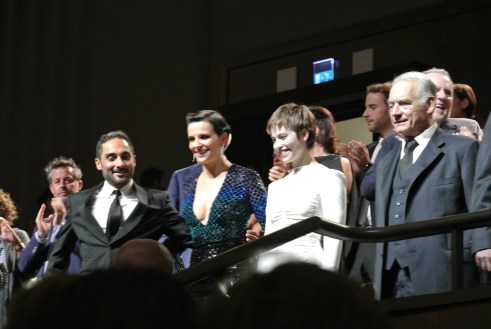
Next thing he knows, he’s sitting at La Sala Grande with Binoche and pretty Lou de Laâge, Binoche’s co-star, at the Venice Film Festival, watching as his film gets a standing ovation (standing ovations are not a “given” at Venice. “Boos” are just as common.)
Messina’s L’Attesa, a film about a grieving mother who goes to great lengths to avoid talking about her son’s death, got practically every “best new work” nomination there was to offer and actually beat Jeeg Robot for the Italian Golden Globe.
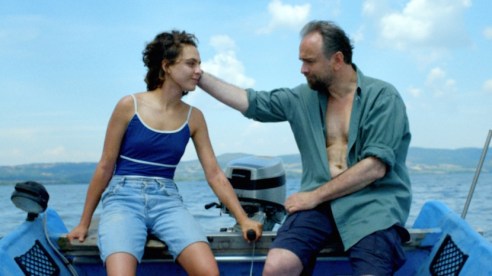
Put yourself in new director Carlo Lavagna’s shoes, with your impressive low-budget Arianna, starring first time actress Ondina Quadri. Would you have expected to have found yourself at a Lincoln Center screening, talking to American journalists, answering questions from a New York City audience?
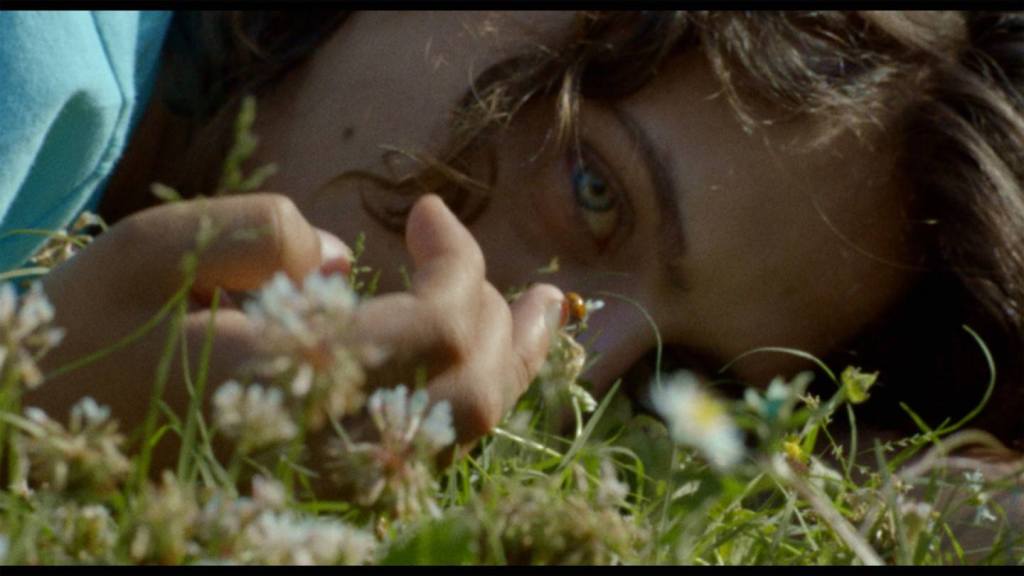
Arianna, a sweet, artistic film that packs a big punch is about a young woman who is struggling with sexual identity and family secrets, never had a chance against a blockbuster, Jeeg Robot, but holy cow, it’s up there with Jeeg Robot! That has to be a rush, right? Lavagna, who said that his film was a long time in the making, seemed to be having a good time. Just days later, Quadri was awarded a Nastro d’Argento for best actress.
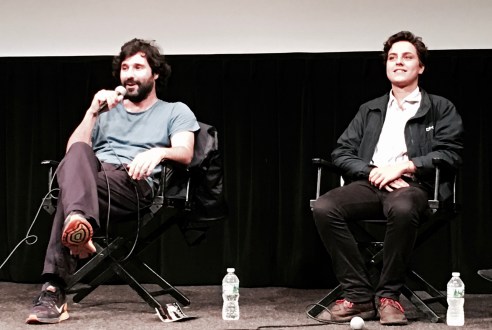
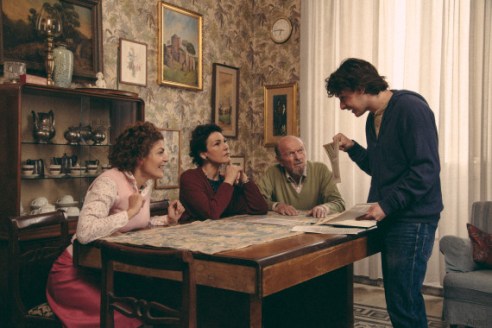
Don’t forget about my boy (I’ve adopted him; he’s my new Italian nephew), Alberto Caviglia, with his gleefully and decidedly un-PC comedy, Pecore In Erba (Burning Love), about the boy who lives to be an anti-semite (see it before you get all riled up). This guy cracks me up like nobody has in a long time. He writes this film, calling it a “reaction to this mindless culture” and “a film that was born out of exasperation”, and then comes up with a dream cast and cameos by some of the biggest names in Italian cinema today (if Margherita Buy is in your first movie, you have stop and pinch yourself at least once; don’t you?)
And then you too, find yourself at the Venice Film Festival with an enormous audience laughing until they cry at what you’ve created? I can’t even imagine.
When can you see these films? L’Attesa will be available here in the US on July 26, but you’ll have to stay tuned to find out about the others.
 I Love Italian Everything