“An artist is someone who produces things that people don’t need to have but that he – for some reason – thinks it would be a good idea to give them.” Andy Warhol
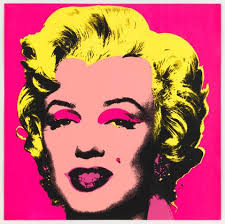
I always tell people that I hate art.
I’m kidding, of course, but it’s true that I’m a bit of an anti-intellectual when it comes to art and artists. I’m pretty quickly bored by work that strikes me as pretentious and/or affected and that’s why I always use the word “movies” and not “films”. You should never confuse me for a cinema highbrow.
So what is it that today’s Italian filmmakers are trying to do, works of art or commercial products? If you ask me, the reason that the Italian film industry is on the uprise is that directors and producers are coming to terms with the unholy alliance between art and commerce. For years in the late 20th century Italian cinema was largely unexportable and not even very popular in Italy, but as it started to wake up and smell the caffè, I started asking filmmakers about it.
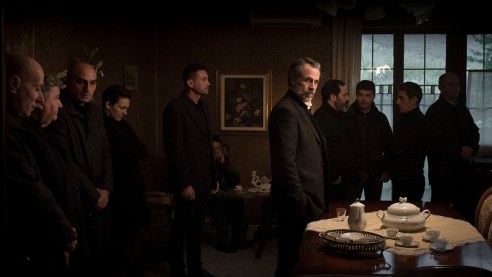
Directors like Francesco Munzi (Anime Nere) told me about the need to make movies that sell. He said that he wants to “distance himself from the cinema of the last 30 years”, to research something that interests him and make it entertaining for the audience.
Is it artistic blasphemy to try to make it entertaining for an audience?
Director Roberto Andò (Viva La Libertà) talked to me about what he called a “mortification” of Italian cinema that had developed, where, “unlike in the US where filmmaking is a strategic industry, Italians just wanted movies that didn’t hurt”.
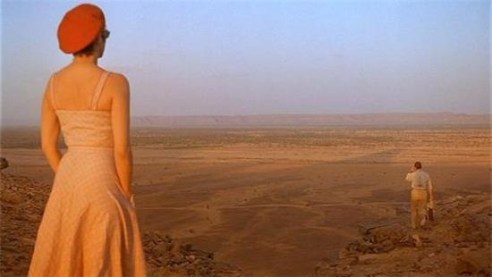
He told me a great story about Bernardo Bertolucci, who for years made beautiful films that nobody saw. “It was in the moment that Bertolucci decided that he wanted an audience that he began to fill theaters, because if you don’t want an audience, then why would an audience want you?”
“In the last ten years”, he said, “filmmakers have given up on the idea of making films with no relationship to the audience.”
Compare this to other artforms, like painting or music composition. Is it a painter or a composer’s responsibility to secure a relationship with the people who see and hear his work?
I asked director Paolo Genovese (Perfetti Sconosciuti) about all of the English language movies that Italian filmmakers were doing, and why he thought there were so many of them these days.
“For the money”, he told me.
Who knows? Maybe that was the precise moment he decided that he should try one too. Hey, nothing wrong with that.
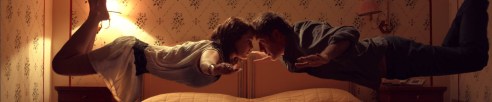
Then, of course, there are the cases of “accidental art”, where a film is a commercial success and the acting, cinematography, musical score is at the same time, sublime.
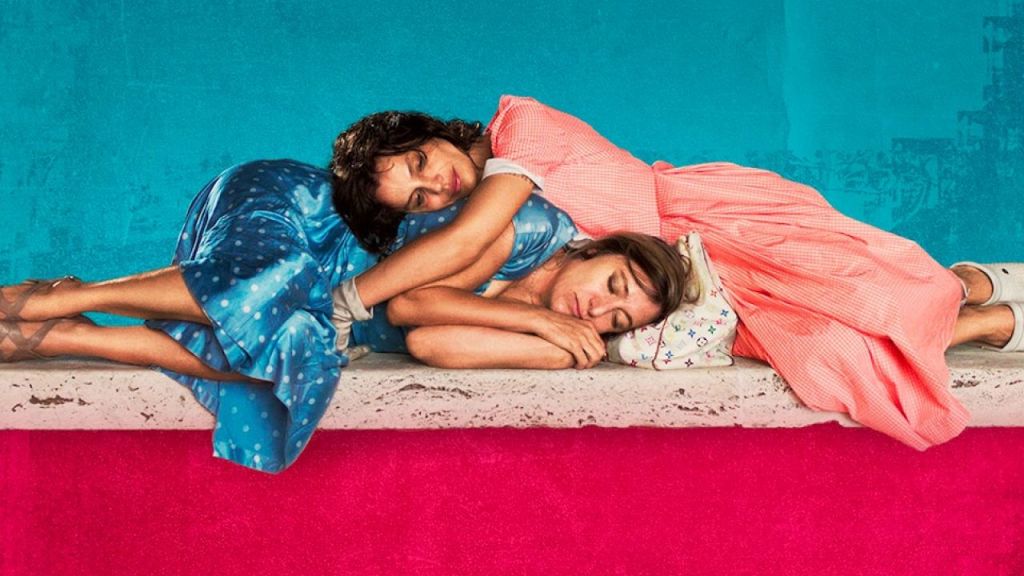
I was screening a film for a film festival a few months ago and was bored by the plot, but mesmerized by the dreamy, graceful, and a little bit trippy photography; checking the credits later I wasn’t surprised that the DOP was none other than my favorite, Vladan Radovic (La Pazza Gioia, Anime Nere, Vergine Giurata).
He, and actors like Luigi Lo Cascio, Alba Rohrwacher, and Toni Servillo are going to give their A game to any film they are involved with, dramas and silly comedies alike. They just can’t help themselves.
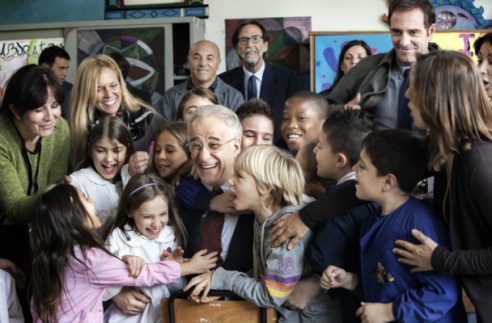
But even if it’s true that as a whole, the Italian film industry is facing the fact that, to survive, it has to start caring about sales (in an out of Italy) we can still talk about artistic value. But can we be snobs about it? Do intellectuals like the Italian movies of today?
You tell me, because I’m not one of them.
 I Love Italian Everything