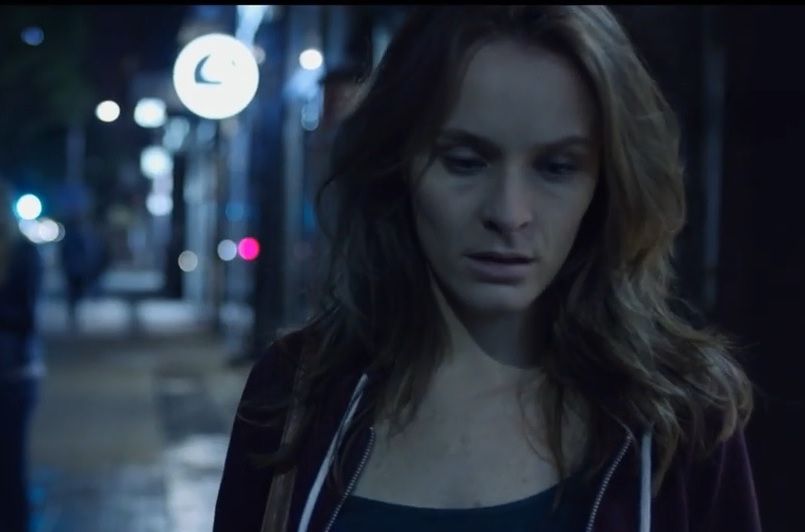
She’s the next big thing, and it’s her birthday!
I’ve “known” Maria Roveran, because of Facebook since I contacted her after her extraordinary performance as Luisa in Alessandro Rossetto’s Picola Patria.
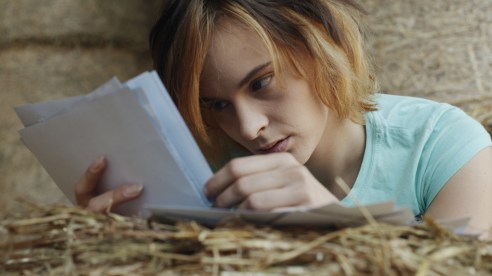
In Venice starring in the Golden Lion nominated Questi Giorni with Margherita Buy, I finally got to meet her in person, I said to her, “I told you that you were going to be a big star! Do you remember?”
She giggled modestly but happily. She’s thrilled with this opportunity, but also worried about getting this kind of role in the future. “Directors prefer actresses with a more Mediterranean look”, she told me.
“This is changing”, I reminded her. “Just look at Margherita Buy.”
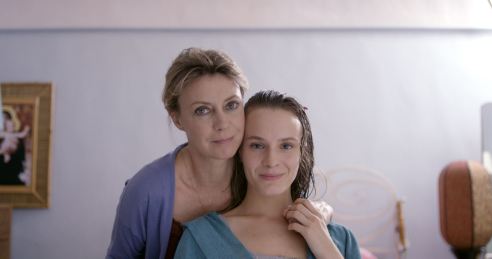
Maria says that working with seven time David di Donatello best actress award winner Margherita was like working with an icon. “She’s really a beautiful person, smart, funny, kind, and generous with other actresses.”
I reminded Maria that she’s the same kind of actress, and told her how impressed I’d been with her gentle, subtle portrayal of the young girl with cancer in Questi Giorni. Her character Liliana hadn’t told anyone, even her friends or her mother about her illness, and you could see the pain from worrying about dying and the joy of being alive in her eyes.

“Acting is about the simple things that you do”, Maria told me, “like crying. I have cancer, so now I have to cry, but Giuseppe (Piccioni, the director) said, ‘No!’ You have to suggest with your eyes a war between two feelings’. Giuseppe taught me a very big, important lesson, because as an actor you can’t take the easy way. Many times it’s the most difficult way, showing the contrast between the mind and the body.”
“I had to be very, how do you say it? Equilibrata?”
“Balanced”, someone across the room helped her out.
“I want you to do an American movie”, I told her.
“But my English…”, she fretted. (Her English is not a problem, believe me.)
“I want to do some small independent movies”, she told me. “You have to bet on the young directors and the independent films. It’s my dream.”
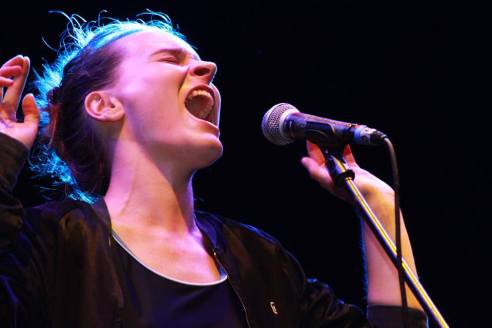
Maria is a singer, too, and Alessandro Rossetto had her write and perform some of the music in Piccola Patria. What does she like better, acting or singing?
“For me they are two faces of the same thing. When I sing I can in explain personal and intimate things that sometimes I can’t explain so well.”
“Giuseppe reminded us about how we should sound, he’d say, “Please, say it more gently”, don’t be loud, don’t use your voice like you have to claim the screen. You have to be balanced, and it’s the same for me in singing.”
I am shy with my feelings and it’s strange because I am an actress and so sometimes people think that you are not shy because you have to act – also Margherita is very shy. She’s beautiful because she tries to overcome her personal shyness. And for me, my music is like this, because I can overcome my shyness with it. Singing is a good way to research the feelings of the character – because I am Maria, but when I was Liliana, I was in a different world that I can’t explain.”
For me It was a really big responsibility to play a young girl with cancer. I did a lot of personal research – I talked with doctors and patients and I want to have empathy for the character.
“Acting is a little like playing, but it’s not a joke for me. It’s not like, “Oh now I have to cry because I have cancer”, no, no. When people ask what’s your job, it’s strange to say you’re an actress. You’re not a doctor, or whatever role you are playing, but it’s a serious kind of “playing” for me, because I want to act with the conviction of the character.”
 I Love Italian Everything