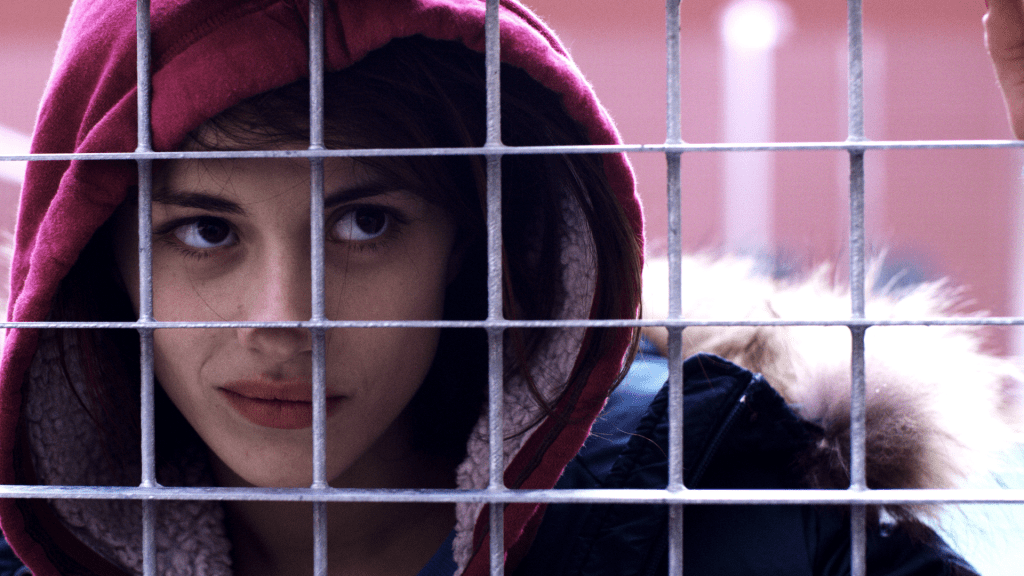
This wildflower is hungry for love, but unsure where to take root.
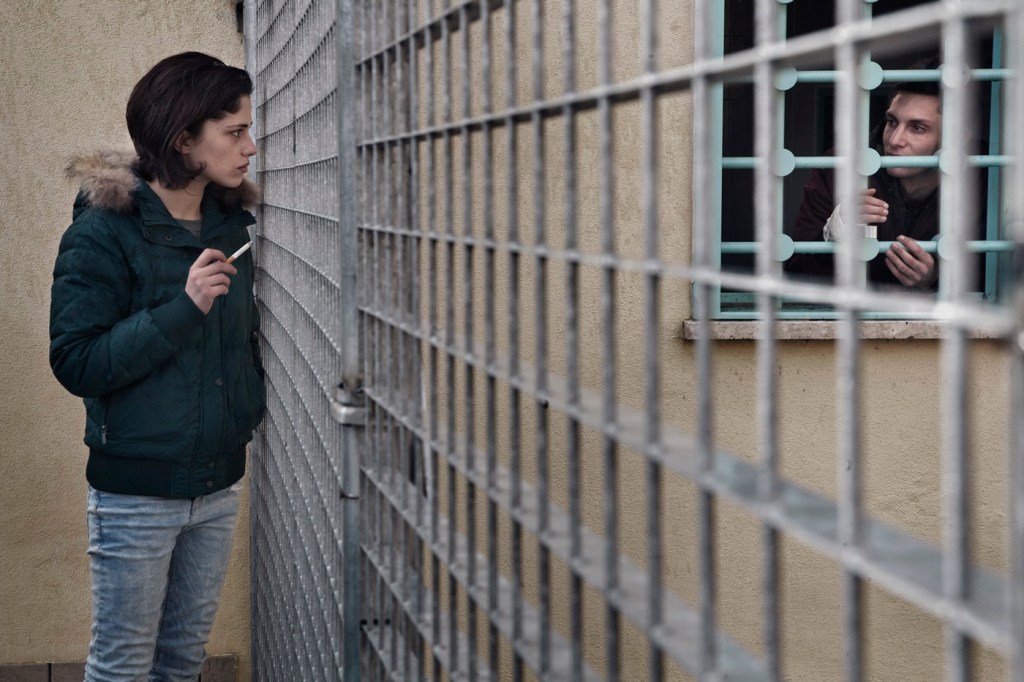
Claudio Giovannesi’s story of “Daphne goes to Juvie” has been described by almost everyone else as a coming of age story, and I suppose “coming of age” means slightly different things to different people, but in my opinion, Fiore is not one of those movies.
Though the film covers events that occur throughout months, Fiore feels more like a portrait, a snapshot, or chapter 3 in a book read independently, without ever having read chapters one and two and never having a chance to know the ending. In it, a teenager named Daphne is pretty much alone in the world and getting by stealing cellphones by robbing people at knifepoint. It was only a matter of time before she’s caught and sent to a juvenile detention center.
Daphne is an adolescent combination of rage, depression, and childlike girliness, chain smoking, getting into tussles with the other girls, and mooning over a guy in the boy’s section. What she is longing for in her life is unclear, probably because she’s not used to getting anything of value or having anything go her way.
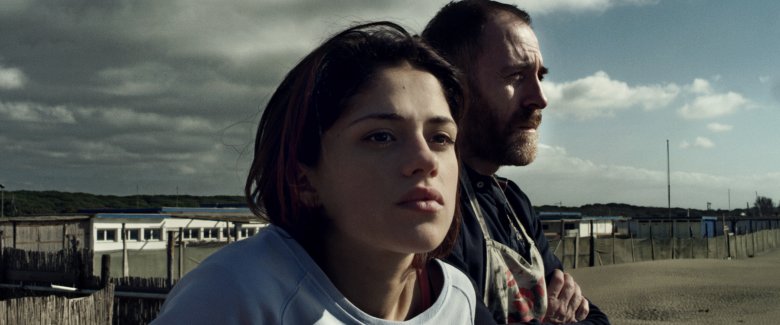
A visit from her father, a stepmother and stepbrother is a happy occasion, and the idea that she has a place to go when she gets out brings a gleam of hope to Daphne’s eye. But she’s so quiet, so uncommunicative, and so solitary that we really don’t know what she’s thinking.
The detention center is strict but not draconian, and I believe that American versions of this type of institution are probably so different and more prison-like, that Americans might find Daphne’s story unlikely and inaccurately fictional. I believe that Italian juvie is probably very different from the American counterpart, just as prison seems to be, if you can believe what you see in movies like the Taviani brothers’ Cesare Deve Morire. Italians seem to carry more emotion to almost every situation, and the “sorority house” feel that Giovannesi gives to this girl’s jailhouse is probably pretty accurate.
But maybe it’s because I’m American that in the end, I’m heartbroken instead of uplifted. When I fill in the blanks of the first few chapters and the end of Daphne’s book, I don’t see much hope. If this is a love story, it’s a twisted one, but maybe that’s just my American cynicism showing its ugly head.
Newcomer Daphne Scoccia, playing Daphne, is a revelation and I can’t wait to see what she does next. Her father, played by Valerio Mastandrea is great as always, and Giovannesi tells their story with a delicacy and sweetness that plays so well off the raw harshness in the life of a teenage runaway.
Highly recommended, Fiore is now available on Italian PAL zone 2 DVD. Be advised: There are NO ENGLISH SUBTITLES.
 I Love Italian Everything