Salve ragazzi,
Have you been studying our Words of the Day? There WILL be a quiz.
Today’s “Word of the Day” is ‘Chiacchierata’
“Grazie per la chiacchierata, “ I say to Italians who are patient enough to have long conversations with me in Italian. Right off the plane, sleep-deprived and out of practice, my Italian is extra bad, but I am anxious to get started. The cab drivers who take us into the city are very kind and hardly ever point out my mistakes. Unless they are hilarious mistakes. (They usually are.)
This is a fun one to say and not as difficult as it looks. Give it a try!
It means to chat, or “chit-chat,” as I’d say. It’s like small talk but in a fun way. It comes from the verb chiacchierare, to chat.
Facciamo una chiacchierata del cinema, ti va? Let’s chat about movies.
At the 2019 Venice Film Festival, the year before the pandemic, I happened upon one of those little gems, a movie I’d never heard of but ended up loving.
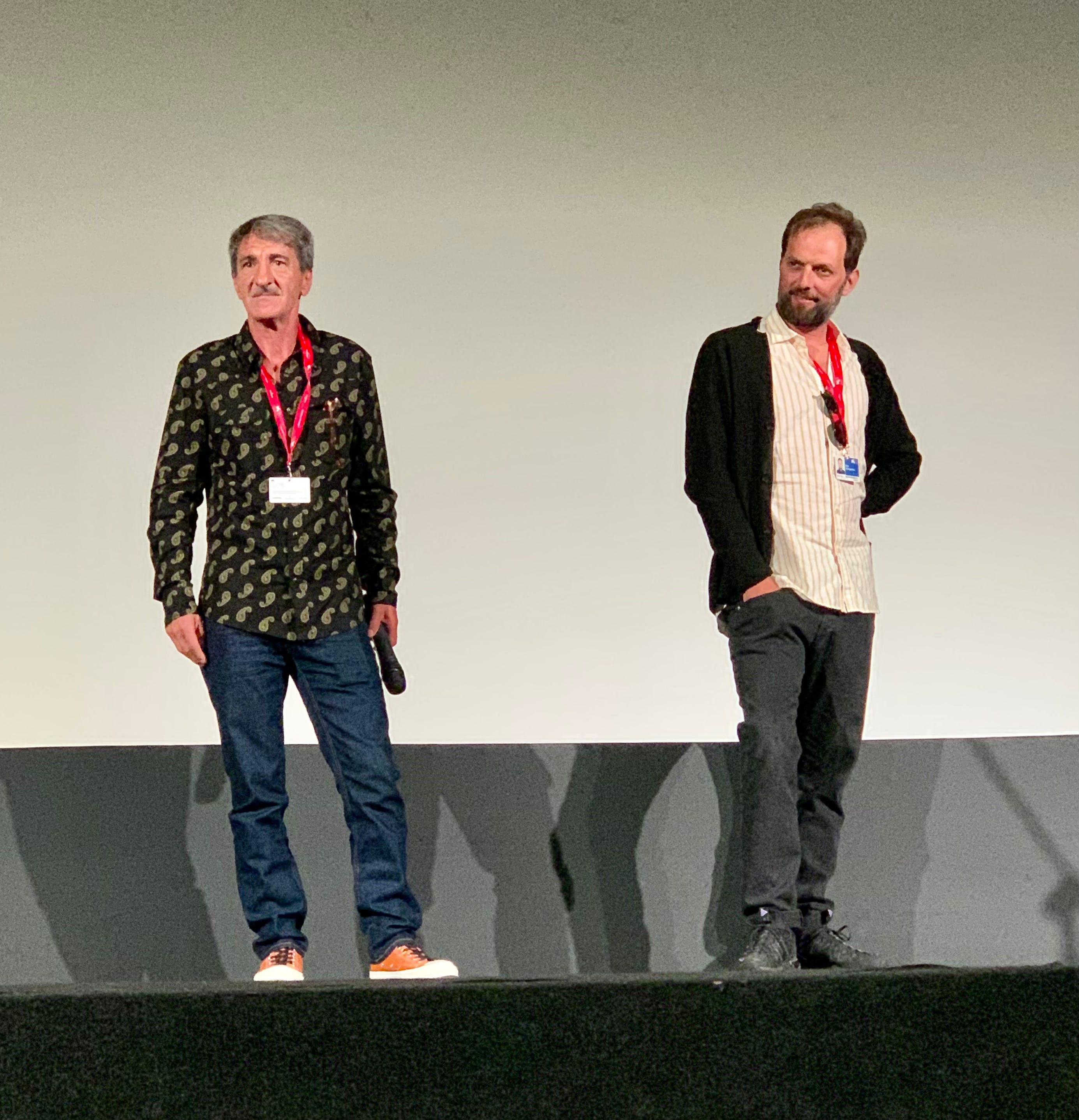
Tony Driver, directed by Ascanio Petrini, is a faux documentary about Pasquale Donatone, a deported US citizen trying to figure out how to get back into the country. Born in Bari in the early 1960s, Donatone moved to the United States with his parents when he was six and lived there for 40 years.
He became known as “Tony Driver” when he started making money driving Mexican immigrants crossing the border illegally – until he was caught. He had a choice: jail or deportation to Italy for ten years. He chose deportation, even though he barely remembered living in Italy and had basically nobody there to go back to.
It’s sad, bittersweet, and funny, and you can watch it for free with Tubi.
I’m still trying to figure out if Pasquale (Tony) has done his time and returned to the USA. Tony, if you are out there, inquiring minds want to know!
I love TikTok! When I say that out loud, I get disapproving looks from people who wrongly believe that TikTok is all teenagers doing silly dances and pulling pranks.
I don’t follow the dancers or pranksters. I follow historians, chefs, comedians, journalists, musicians, and this guy, a linguistic expert who did an interesting video just for us about the Italian language. Take a look, and then let’s discuss:
I’d never considered what he says about dialects, which in this case are not really dialects but actually separate languages. It makes sense. Dialects are variations of a core language, but Italian was formed from hundreds (thousands?) of separate languages after Italy’s Unification in 1861.
Please follow Lite Linguistics. If you are too good for TikTok 😄, then go to YouTube. Someday, I’ll show you all the cool things I’ve found on TikTok, and I will convince you it’s not just for fourteen-year-olds.
OMG, I found a new cookbook that I have become quickly obsessed with. After writing about the la Cucina of the Dolomites, I started looking for a good recipe for their bread dumplings, Canederli. I googled “Canederli” and “Cucina Povera” and found this gem.
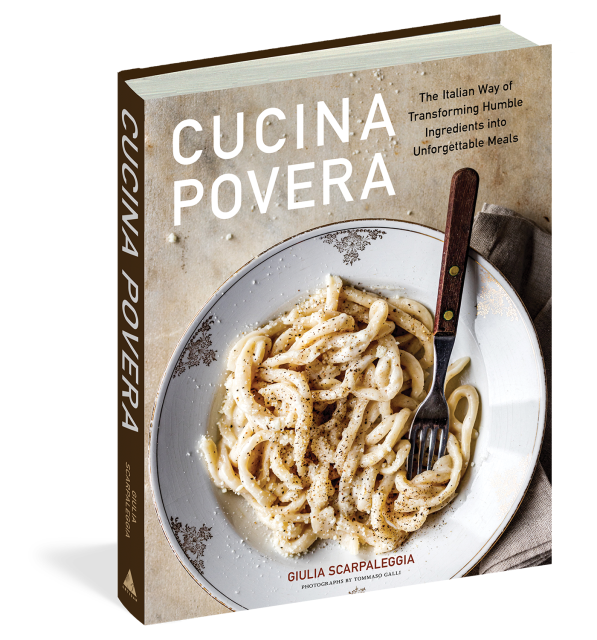
If you love newsletters like this one, you’ll want to follow the author, Giulia Scarpaleggia’s. Her newsletter, Letters from Tuscany, talks about lots of exciting things. I’ve been a subscriber for a long time, but I just bought the book!
It’s jam-packed with recipes that are – by definition – very approachable. There are no complicated, expensive ingredients because “cucina povera” is cooking for poor people. These are recipes in which the poor used (and still use) what they had to make delicious meals.
Who among us who love Italian cinema hasn’t seen dozens of movies in which the characters, on a whim, go to the kitchen and make a little “Aglio Olio” for a late-night snack? You have olive oil and garlic? Got pasta? Yum, you have spaghetti aglio e oglio.
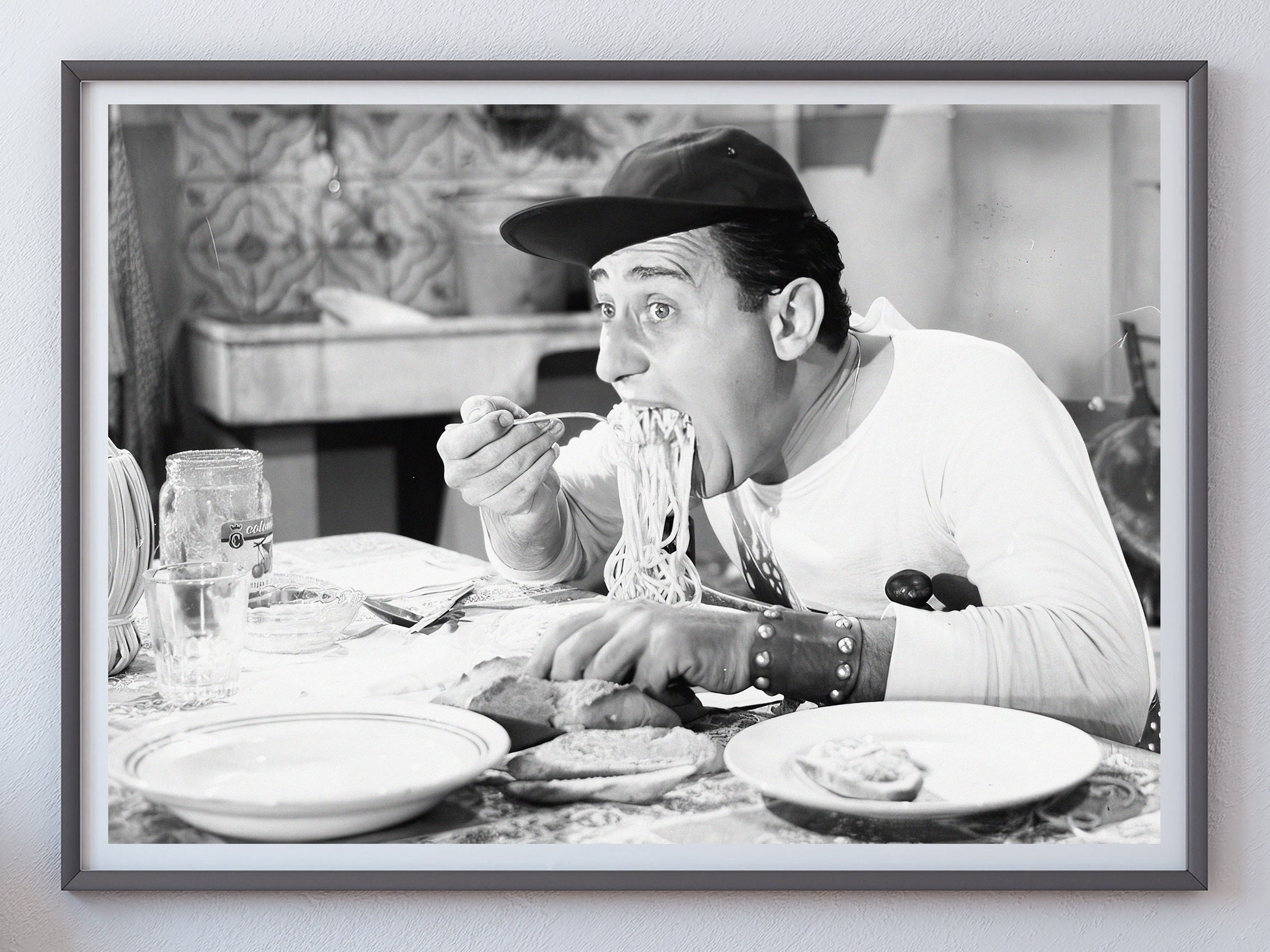
Do you have a family recipe that would be a good example of “cucina povera?” If so, please share it. Bonus points if it’s Nonna’s secret recipe. Don’t worry, we won’t tell anybody.
Send us Grandma’s recipe!


 I Love Italian Everything