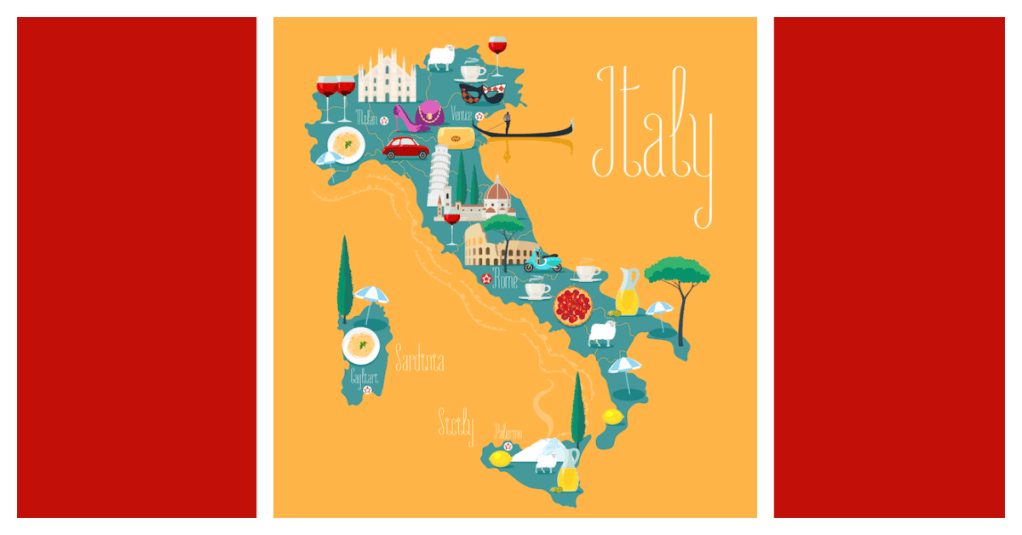
You can order a pizza in practically every town in Italy, but should you?
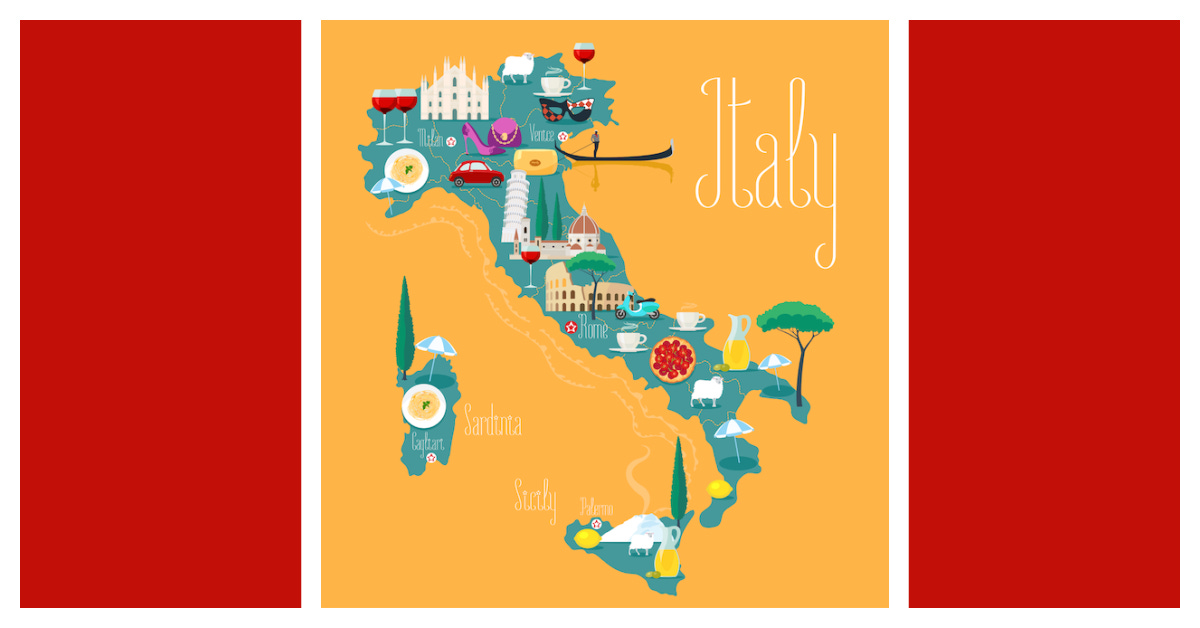
Salve ragazzi,
I’m in the minority, but I prefer Roman pizza. It’s thinner, crispier, and I don’t know, better, somehow, in my opinion. Of course, pizza in Napoli is great, and I am careful not to discuss my preference with people from anywhere in Campania.
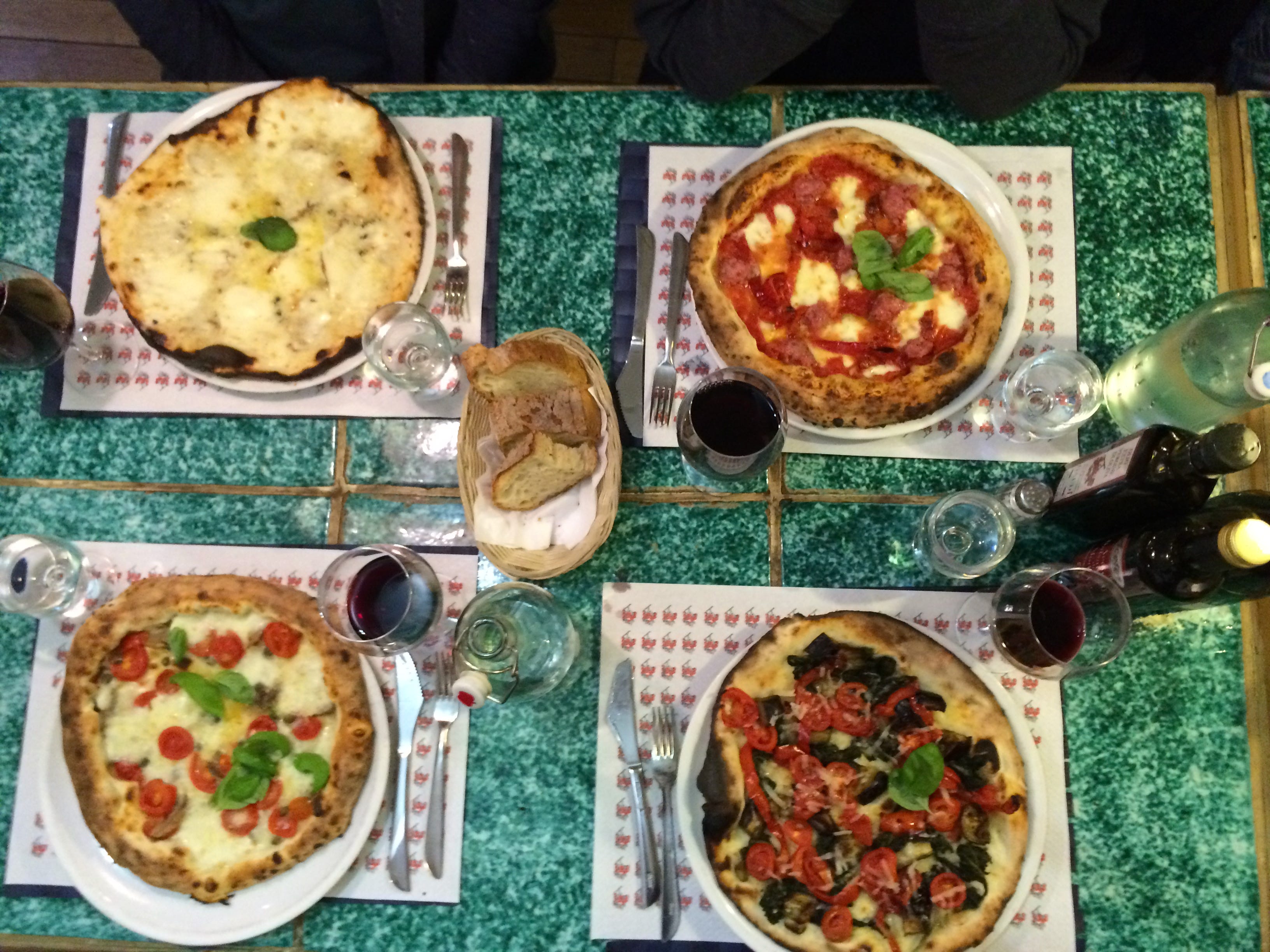
But that’s just me. Italians probably like the pizza they are used to, the ones La Mamma and Nonna made.
In Italy, I am constantly looking for “Cucina un po’ particolare.” Our word for today has several slight variations in its definition. It can mean simply “particular,” but also peculiar, and my personal favorite, “special” or “distinctive.” When an Italian friend wants to take you to a ristorante “un po’ particolare,” GO! They are taking you to experience cucina you won’t find anywhere else.
When you are in Milano, you order risotto. When you are in Genova, you order basil pesto. In Sicilia, it’s granita.
I asked some friends, “What is a food from your hometown that you would never order outside the region?
I first talked to Alberto Caviglia, a Roman director and all-around wonderful guy, and his answer was a little surprising – something you rarely see outside of Rome. Have you heard of Supplì? You may have heard of Arancini; they are both rice balls, but supplì and arancini differ in shape, size, and fillings.
Supplì are oblong, while arancini are more likely to be cone-shaped or round and usually about twice the size of supplì. Supplì are traditionally made with arborio rice, tomato sauce, and mozzarella, while arancini are made with arborio rice, mozzarella, and meat. Arancini can also be stuffed with vegetables like mushrooms or eggplant or specialty fillings like carbonara. Arancini are found in Sicily.
I try to make them at home, but they aren’t like what you find in Rome! I should never make Supplì for Roman friends.
Next, I talked to my friend, actress Bianca Nappi, from Puglia. She tells us the thing she’ll only eat if it’s “home-gown” is something I buy but have never tried to make —Taralli. If I get ambitious and make them, I will share the results.
The next one truly surprised me. My friend Luca from Venezia married and moved to Mexico, and while he is happy as a clam with his new life, he tells me,
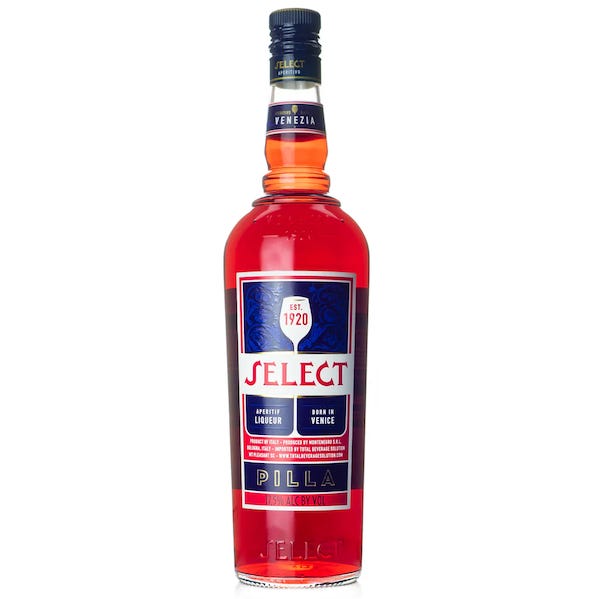
“Spritz! Venice is the king of this drink! Also, it is rare to find a spritz outside of Venice with Select (instead of classic Aperol..). I definitely miss the taste of a good Spritz 🫣”
Select? What is that???🤷♀️ According to their website, Select is “the original Venetian Spritz since 1920! Good to know!
Hey, I’m on it. I’m going to find this stuff and get back to you.
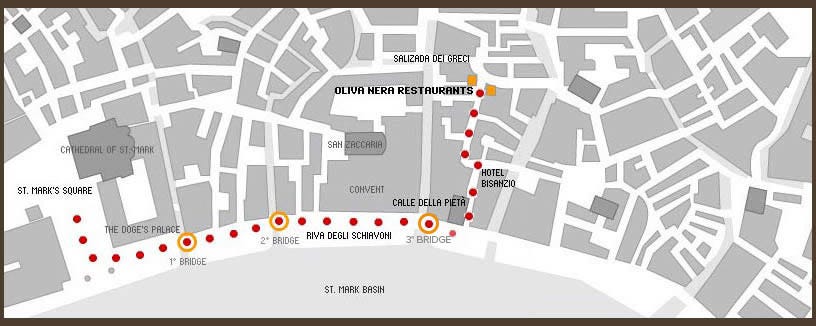
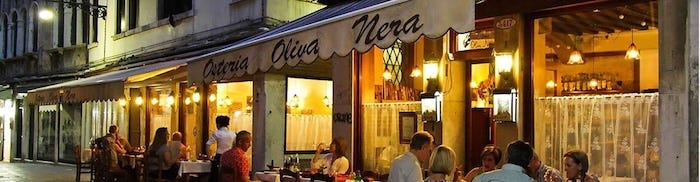
My friend Isabella, who owns Oliva Nera, one of my favorite restaurants in the world, has restaurant advice for you. Don’t put cheese on dishes with fish. She’s begging you!
If you are in Venezia, I am BEGGING you to go to Oliva Nera. The food is delicious, and Isabella is the hostess with the mostest. I guarantee you’ll go home with a new friend!
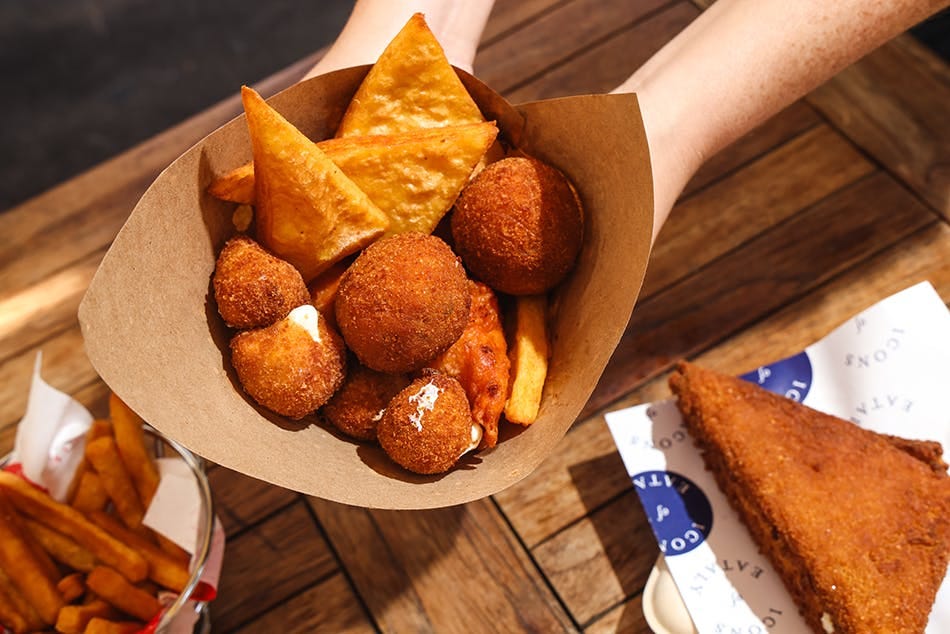
Me? As my friend Lina suggests, I’ll skip the street food, Cuoppo, if I am not in Napoli (I learned the hard way). Cuoppo is “fritti” fried foods served in conical cups and not greasy at all – if you’re in Napoli. The classic Cuoppo contains potato croquettes, salted zeppole (fried dough), fried scungilli (battered zucchini flowers), mini arancini, fried polenta scraps, and pasta fritters.
The potato croquettes? YUM! But never outside Napoli, and I would never try to make them myself. The oil has to be extremely hot and plentiful, and the process seems to require more labor than I am willing to commit to.
So what have you found in Italy that is “un po’ particolare?”
Speaking of Italian food…
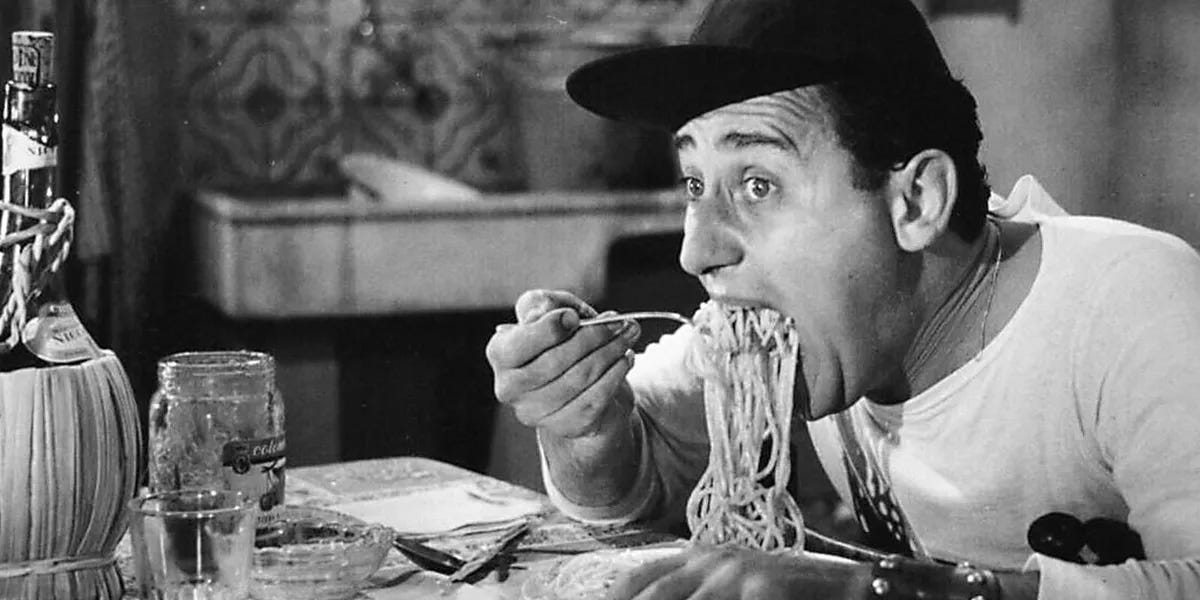
You’ve seen this movie still a million times, right? Have you ever watched the movie? It’s an Alberto Sordi movie about Nando, the most famous American Wannabe. I can’t lie; An American in Rome is much more entertaining than I was expecting.
In the above scene, Nando has just rejected the pasta and wine his mother has left for him and made himself a weird “American” concoction of milk, jam, yogurt, and mustard. You can see from the above still how that went over.
An American in Rome is a darker comedy than I had imagined, not the silly slapstick I expected. It has been described as an important social commentary on post-war Italian identity, but I’m still considering what that means and if I agree. Some reviews talk about Nando’s tragic despair of living in poverty, but it’s too funny for that. This is a comedy. But I’m American, so what do I know?
Want to know exactly what kind of pasta Nando is eating in the photo? Want to try to make it?
‘La Cucina Italiana’ gives you the instructions HERE.
If you are looking for tragic despair, and I am emphatically NOT right now (election in 6 days away and all), remember the restaurant scene from Bicycle Thieves (Ladri di Biciclette). When a man’s bicycle—the one that provides the means to feed his starving family—is stolen, he sets out with his young son to find it.
In this scene he treats his son to some food in a restaurant. Go ahead and let me know when you are done. I. Just. Can’t.
Now THAT is what I call important social commentary on post-war Italian identity. If you haven’t seen The Bicycle Thieves, you probably should. Vittorio De Sica directed it in 1948, and it is one of the most important neorealist dramas.
However, watch at your own risk. It’s brutal.
Get out the tissue box, as they say. Preparatevi a piangere. 😭
Finally, if you love history. And Italy. And podcasts.
Do I have the podcast for you!
The Rest Is History, Food That Changed The World
Read the episode description:
“The unexpected evolution of Italian food can serve as a tantalizing doorway into some of the greatest moments of Italian history: from medieval monarchs, murdered popes, and the Renaissance, to secret societies and Mussolini’s fascist propaganda. Yet the history of Italian food is also riddled with myths and ambiguities, particularly the rustic, romantic idea of it as deriving in the homes of rural peasants. In truth, though the distinctive culinary identity of different Italian cities endures – rising and falling with the fates of their cosmopolitan foundations – the beloved Italian staples of today bear little resemblance to their historical antecedents. For instance, Venetian food was once renowned for its Middle Eastern spices, and an alarming quantity of eels, sweetbreads and sugar is recorded from a feast in Renaissance Ferrara. When was it, then, that Italian food developed its unique identity and reputation? Can it in any way be traced back to the food of the Roman Empire? Did pasta really originate in China before being brought to Europe by Marco Polo? And, does margarita pizza really originate in the whims of a famous 19th century queen?
In today’s episode, Dominic and Tom are joined by historian John Dickie to indulge in a colorful journey through the piquant history of Italian food, dispelling and corroborating a few enshrined myths and legends as they go…”
Truly fascinating!
That’s it for now. Alla prossima!
 I Love Italian Everything