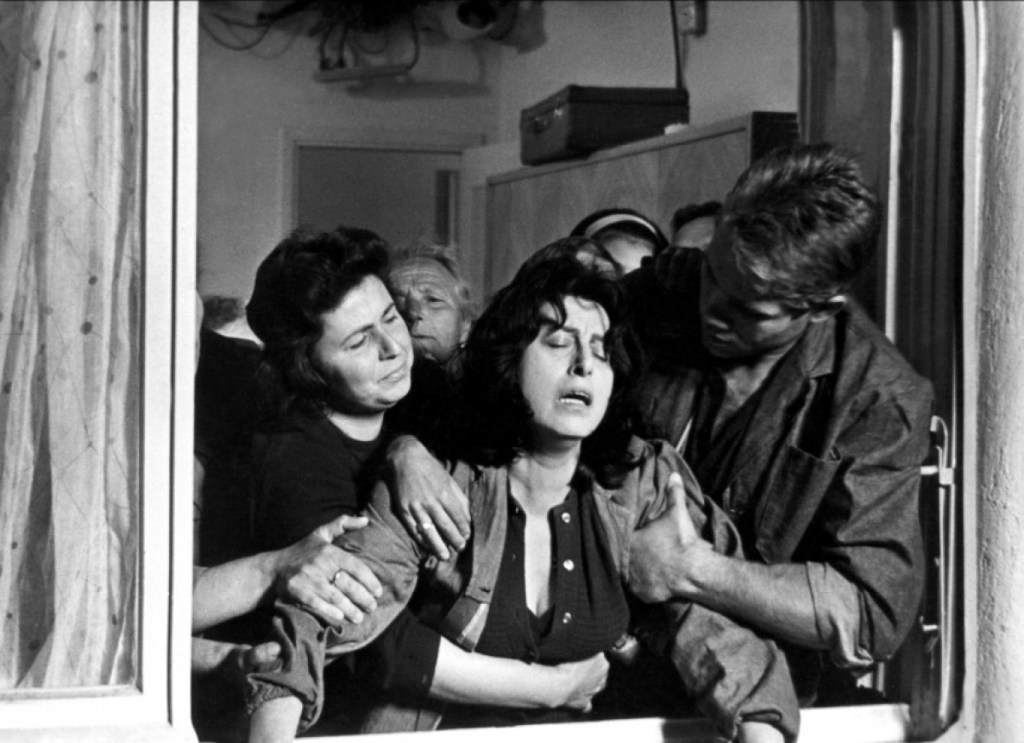
Anna Magnani, the iconic postwar Italian actress.
The film series features works by George Cukor, Vittorio De Sica, Federico Fellini, Sidney Lumet, Jean Renoir, Roberto Rossellini, and Luchino Visconti, entirely on celluloid, and TICKETS GO ON SALE TODAY!
Tickets


1870
Magnani was cast alongside legendary leading man Marcello Mastroianni for the only time in this stirring historical drama. They play a husband and wife caught up in the political upheaval of the Risorgimento era. With a score by Ennio Morricone. 1972
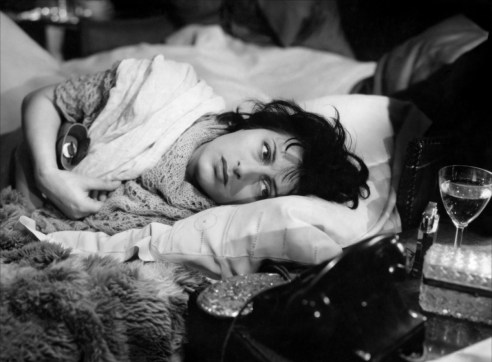
L’Amore
Roberto Rossellini’s twin tribute to Magnani offers a one-two punch of tour-de-force performances from the actress: in the first part adapted from a theatrical monologue by Jean Cocteau, she is a jilted lover hanging desperately on the telephone line; in the second part, a story by Federico Fellini, she is a peasant who may or may not have experienced a miracle. 1948
La Vita è Bella
Playing an aspiring singer in this enchanting bit of wartime-era escapism, Magnani was provided ample opportunity to display the distinctive vocal style that first made her famous as “the Italian Édith Piaf.” Directed by Carlo Ludovico Bragaglia 1943
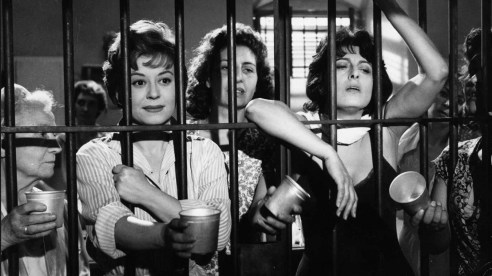
…And The Wild Women
Sparks fly as Magnani plays opposite another legend of Italian cinema—Giulietta Masina—in this explosive women-in-prison drama. Masina is the naïve young innocent wrongly convicted, Magnani the volatile hardened convict who corrupts her. Each woman gets ample opportunity to shine, but the best moment belongs to the electrifying Magnani. The sight of her shimmying down a cellblock while shouting “rock and roll!” is worth the price of admission alone. Directed by Renato Castellani. 1959
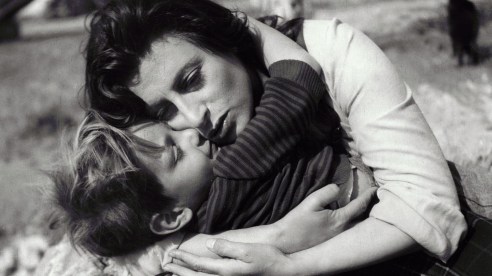
Angelina
In this rousing, up-with-the-people slice of neorealism, Magnani delivers a powerhouse performance as a slum-dwelling mother of five who leads a band of women in a female-powered political revolution. Directed by Luigi Zampa. 1947
The Bandit
Magnani is a fierce femme fatale who ensnares an ex-POW in her crime ring in this shadowy, fatalistic neorealist noir. Director Alberto Lattuada imbues this socially conscious crime saga with a shadowy style and a foreboding fatalism. Memorable set piece: a nightclub robbery set to a drum solo. 1946
Bellissima
This early gem from melodrama maestro Luchino Visconti deftly blends cynical showbiz satire with heart-tugging pathos. Magnani is the delusional Roman stage mother obsessed with making her daughter a movie star. 1952
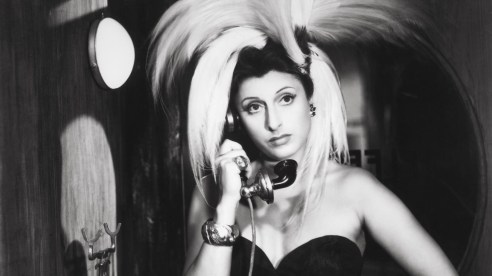
Doctor, Beware
Before he went neorealist, Vittorio De Sica brought his compassionate sensibility to this sweetly romantic screwball farce. He plays a harried physician juggling three women, including Magnani’s gold-digging showgirl. De Sica himself called it the actress’s “true first film.”
Down with Misery
Released the same year as Magnani’s international breakthrough Rome Open City, this charming neorealist fairy tale—with Magnani as the wife of a truck driver who unwittingly gets mixed up in black-market smuggling—is a bittersweet look at downtrodden people striving for a better tomorrow. Directed by Gennaro Righelli. 1945
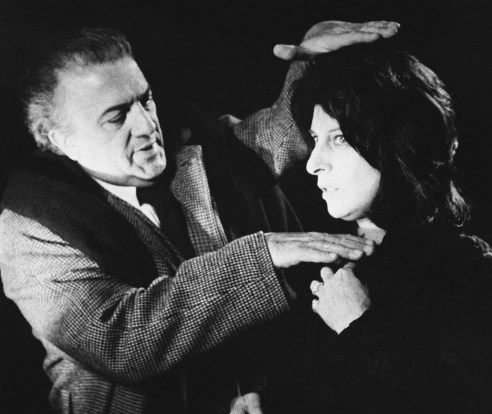
Fellini’s Roma
Magnani’s farewell to film was this fitting send-off from Federico Fellini, a sprawling, kaleidoscopic tribute to the city that the actress embodied, full of dazzlingly surreal dream images. 1972
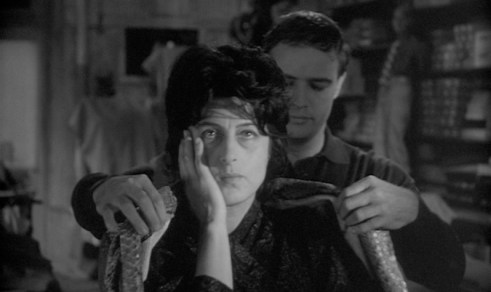
The Fugitive Kind
A trio of heavyweight dramatic performances—Marlon Brando smolders, Joanne Woodward simmers, and Magnani boils over—propel this torrid Tennessee Williams psychodrama of lost souls and raging passions. Directed by Sidney Lumet. 1960
Full Speed
This comedic charmer is a sparkling example of the stylishly sophisticated entertainment that Italy produced prior to World War II. Magnani—looking less like Mamma Roma and more like an MGM starlet—shines in one of her earliest film appearances as a scheming maid. Directed by Mario Mattoli. 1934
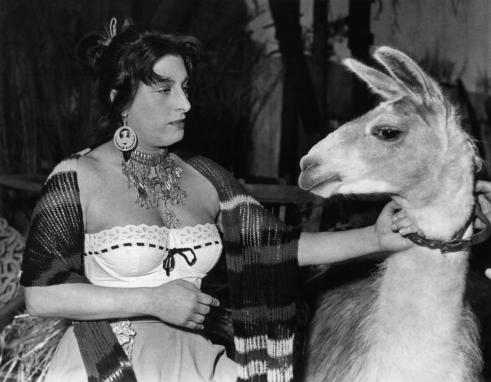
The Golden Coach
Jean Renoir’s exquisite love letter to the magic of the theater—which François Truffaut called “the noblest and most refined film ever made”—stars Magnani as a performer in a commedia dell’arte troupe traveling through 18th-century Peru. 1952
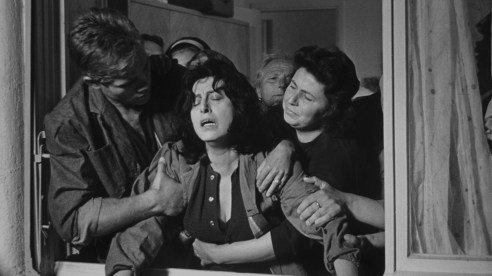
Mamma Roma
In one of her defining roles, Magnani is a coarse ex-streetwalker striving for a better life for the sake of her teenage son. Pier Paolo Pasolini’s shattering working-class tragedy is a subversive mix of the sacred and the profane that pushed neorealism in bold new directions. 1962
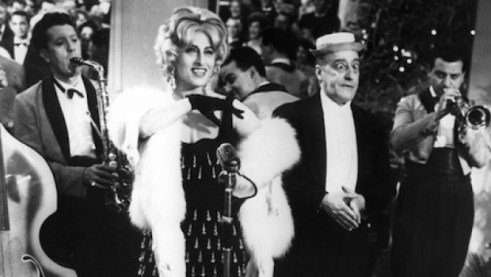
The Passionate Thief
Magnani’s funny side gets perhaps its finest showcase in this freewheeling comedy. She tears her way gloriously through the role of a movie actress stepping out for a New Year’s Eve night on the town, accompanied by a couple of thieves (played by the legendary Totò and Ben Gazzara). Directed by Mario Monicelli. 1960
The Peddler and the Lady
In the first of her earthy everywoman roles, Magnani plays a brash fruit seller who pulls a humble fishmonger (her Rome Open City co-star Aldo Fabrizi) back down to earth when he gets mixed up with a woman way out of his league. The simple premise is lent nice depth by both actors, who nimbly balance humor and heartstring-plucking poignancy. From Director Mario Bonnard. 1943
Peddlin’ in Society
The marvelous Magnani struts, dances (hilariously), and sings her way through this delightful satire in which she plays a nouveau riche former fruit vendor determined to move on up. The follow-up to Gennaro Righelli’s Down with Misery, this riches-to-rags tale plays like that film in reverse, with political and class tensions never far from the surface. From Director Gennaro Righelli. 1946
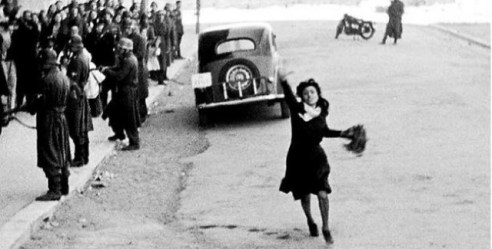
Rome Open City
The film that announced both Italian neorealism and Magnani as major forces in international cinema, Roberto Rossellini’s devastating look at life in Nazi-occupied Rome sent shock waves through the world. More than 70 years after its arrival, Rome Open City retains its devastating power. 1945
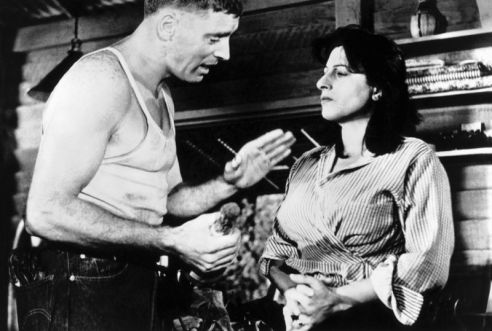
The Rose Tattoo
In her first Hollywood film, Magnani as a Tennessee Williams heroine yields heavy-duty dramatic fireworks in this seething saga of sexual repression, which won her the Best Actress Oscar. Directed by Daniel Mann 1955.
La Sciantosa
Alfredo Giannetti 1971 Italy 35mm 92 minutes
Magnani dazzles as a washed-up cabaret star performing on the front lines of World War I in one of four tour-de-force historical dramas she made for Italian television in the early 1970s. The actress’s status as the living symbol of her country is concretized in the powerful image of her delivering a tear-stained rendition of the Neapolitan ballad “O surdato ’nnammurato.” From director Alfredo Giannetti. 1971
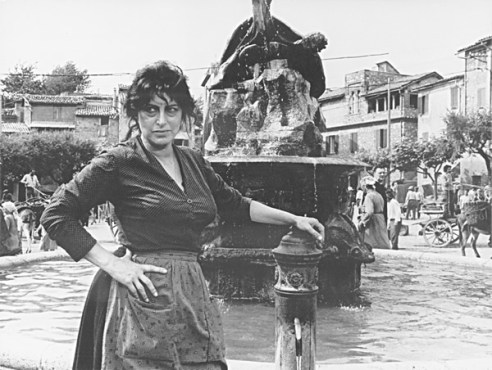
The Secret of Santa Vittoria
This rollicking World War II comedy is a satirical look at life in Italy under the occupation. Magnani appears as the strong-willed wife of the bumbling mayor of a small town (Anthony Quinn) scrambling to conceal one million bottles of wine from the Nazis. Directed by Stanley Kramer. 1969
La Vita è Bella
Playing an aspiring singer in this enchanting bit of wartime-era escapism, Magnani was provided ample opportunity to display the distinctive vocal style that first made her famous as “the Italian Édith Piaf.” Directed by Ludovico Bragaglia. 1943
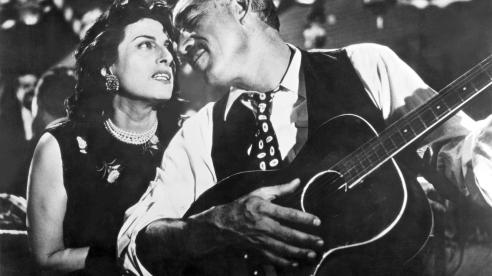
Wild is the Wind
Playing an aspiring singer in this enchanting bit of wartime-era escapism, Magnani was provided ample opportunity to display the distinctive vocal style that first made her famous as “the Italian Édith Piaf.” Directed by Ludovico Bragaglia 1943.
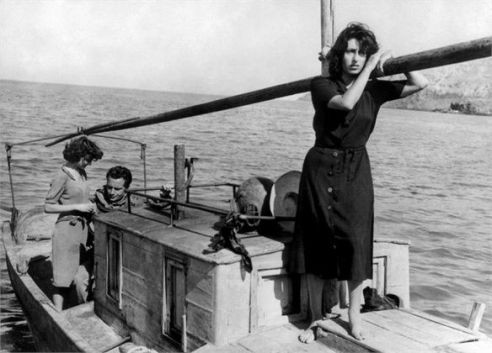
Volcano
A delirious blend of neorealism and juicy melodrama, this fascinating film—about an ex-prostitute banished to the volcanic island of her youth—was Magnani’s answer to ex-lover Roberto Rossellini’s Stromboli, starring his new girlfriend Ingrid Bergman. Directed by William Dieterl. 1950
Wild Is the Wind
In this full-throttle melodrama, a torrid tale of lust and betrayal plays out against the backdrop of the American Southwest. Magnani earned a Best Actress Oscar nomination for her role as the wife of a Nevada rancher (the equally explosive Anthony Quinn) driven into the arms of another man (Anthony Franciosa). From director George Cukor. 1957
Woman Trouble
Magnani is a domineering wife and mother along for the ride as her husband tries, unbeknownst to her, to ditch a stolen car. This poignant slice-of-life road movie moves deftly between compassionate social realism and breezy comedy from director Mario Camerini.
 I Love Italian Everything